Deer Hunting Field

Hunting Blog

  • Hunting
    • Best Coon Hunting Lights
    • Best Treestand Safety Harness
    • Best Hunting Boots
    • Best Rubber Hunting Boots
    • Best Muck Boots For Hunting
    • Best Treestand Safety Harness
    • Best Hunting Spotlights
    • Best Elk Hunting Boots
  • Archery
    • Best Arrow Rest
    • Best Bow Sights
    • Best Single Pin Bow Sight
  • Gun, Shooting & Accessories
    • Best Bipod for Long Range Shooting
    • Best Scope For Ar 10
    • Best Shooting Rest
    • Best AR 15 Bipod
    • Best AR 15 Slings
    • Best ACOG Clone
    • Best Shot Timers
    • Best Rifle Bipods
    • Best Shooting Tripods
  • Survival
    • Survival Shelter
    • Finding and Purifying Water in the Wilderness
  • About Us

Top 5 Best Arrow Rest For An Amazing Hunting Adventure – Best Drop Away Arrow Rest Reviews

Top 5 Best Arrow Rest For An Amazing Hunting Adventure – Best Drop Away Arrow Rest Reviews

Many articles have discussed hiking trips and shooting a bow. This article will concentrate on exploring the best drop away arrow rest and furthermore how to pick them from the store. But before we proceed, do you know what normally touches your arrow immediately the string is discharged? Obviously, it is the arrow rest. That is the motivation behind why it is being controlled by your shooting precision and accuracy. Therefore, you need the best possible rest and shaft for your hunting adventures.

If you are a type that always what the best drop away arrow rest is, look no further because this article is here to bail you out. In case you want to set up your target on a tree and you are searching for the best arrow rest, you don’t need to search endlessly in the market anymore. Brands like New Archery, Truglo and Quality Archery Designs always make extraordinary and good arrow rests. However, we have included a nice review on five of the most famous and most loved arrow rests in the market. Just look through our list to get a nice and perfect arrow rest.

Read more: Your Quick & Definitive Guide On How To Build A Tree Stand

Top Drop Away Arrow Rest Comparison

 Best Arrow Rest

Quality

Our Rating

Quality Archery Products HDX Arrow Rest

A

Check It At Amazon.com

Vapor Trail LimbDriver Pro V Rest

A-

Check It At Amazon.com

Quality Archery Designs Ultra-Rest HDX

A+

Check It At Amazon.com

QAD Pro Series LD Drop-Away Arrow Rest

B

Check It At Amazon.com

Ripcord Fall Away Arrow Rest

B+

Check It At Amazon.com

Best Drop Away Arrow Rest Buying Guide

Since you’ve known the benefits of drop away arrow rest, now is time to know how to select the best arrow rest for your shooting adventures. Anytime you want to buy arrow rest, below are some of the guidelines you can follow:

1. Function

To begin, you must first have a clear understanding as to where you will like to utilize the arrow rest. Can it be for target or hunting shooting? Therefore, it is necessary to know and understand this so as to enhance your movements. Many would rather choose a containment kind of arrow rest because of its extreme tight hang on the arrow, however, there are also individuals who make use of arrow rest because of fast speed arrows.

Regarding target shooting, few people prefer lightweight arrow rests that will not get in contact with the prongs or some other things that may in any way block its flight upon discharge.

2. Setting Up

You can acquire a lot of experience from setting it up since It is not difficult to integrate the arrow rest. Some kind of arrow rest models is more difficult to install than others. Therefore, it is highly advisable to have the shop attendant to handle it for you for the first time.

As time goes on and you have a clearer understanding of doing it yourself after then you can control what should be controlled to your own satisfaction to get more agreeable and more precise shooting.

3. Quality

Anytime you are shopping for arrow rest, never miss the issue of quality. An arrow rests you must select must be strong, dependable and compatible with the fluctuating climate outside.

Consider the material that the arrow rest is constructed with. Plastic or Still, which is preferable? Stainless steel keeps from rusting from being wet and it is more durable.

4. Performance

Obviously, you want to purchase arrow rest to enhance your performance and accuracy in archery. Finding the best model for yourself is a necessity and mustn’t be taken with levity. Arrow rest can provide you with nice features because it doesn’t touch the arrow when it is released.

With arrow rest, you won’t have to deal with the arrow’s feather-end being destroyed because of fast speed arrows. That means your arrow won’t have to drop anymore when you are not concentrating because of its large prongs features that support the arrow shaft.

5. Cost

In spite of the fact that the arrow rest can possibly be as expensive as it could influence your financial plan, it doesn’t frustrate you in any way. It all depends on you whether you purchase an arrow rest kind that has a medium price or a top-notch quality.

Best Arrow Rest Selection Tips

Arrow rests are much the same as other bows and arrows parts, yet the distinction is their significant resting usefulness. It has been observed that some will have extreme performance than others. Before heading off to your next arrow rest merchant, make sure you keep the below tips in mind:
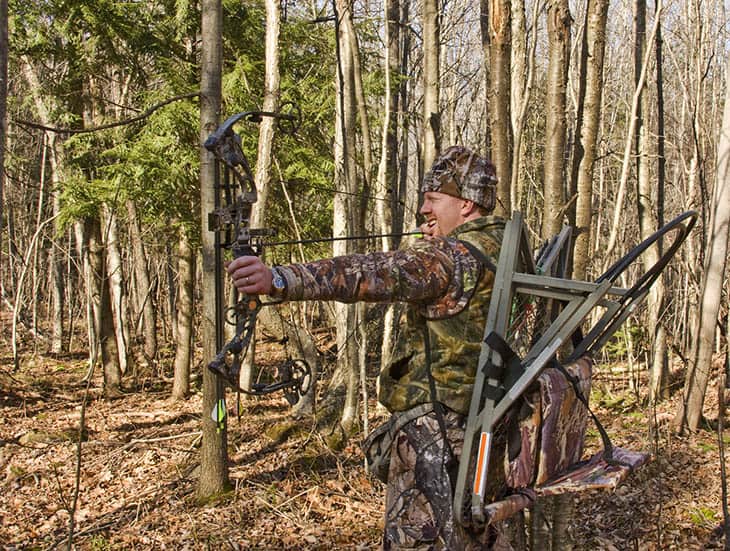
Arrow-Rest-Selection-Tip

Fingers and Release Aid

Finger selection involves accomplishing the best possible leveled arrow rest tension by essentially moistening the two side of the string and arrow. While discharge selection is whereby the selected arrow resting compatibility must be accomplished by giving careful consideration to the horizontal tension.

Arrow Powder Testing

It is essential to powder test your arrow paying little attention to the rest that you are making use of. You can make use of some foot splash white powder toward the finish of every bolt. Attempt shooting it into a short target and check whether you can distinguish the fletching and shaft for visual imprints. In case you discover any visual imprint, align and retest the arrow until the imprints are no longer found in the fletching. Obviously, you should try figuring out how to do this as you plan to buy your best arrow rest.

Arrow  Arrangement

It is advisable to first set the alignment of the shot when mounting the rest on your bow. This can be accomplished by arranging your arrow focus to the left side (in case you are right-handed) of the line that is the string.

Aligning the Nocking Focuses

Before acquiring your best arrow rest, it is encouraged to first know how to align the nocking focuses for a superior target. You can do this by drawing the pull cord back which will take the rest back to its original position. You can likewise make use of a paper frame or outline with a sheet of the newspaper since it fines tune the nocking focuses heights.

Maintain Your Arrow Rest Parts

It is essential to always clean arrow rest parts in order to prevent the gathering of soil which can lead to disappointment. You can make use of Teflon lube oil.

Best Drop Arrow Rest Reviews

Now that we’re through on the things to consider when purchasing arrow rests, here are five unique models that are considered as the bests out of all the arrow rest present in today’s market.

#1: Best Drop Away Aarrow Rest 2022: Quality Archery Products HDX Arrow Rest

One of the best arrow rests you can ever come across is the Quality Archery Designs Ultra rest Pro HDX arrow rest. When they say genius, they really mean it since this rest can truly hold your arrow intelligently.

Constructed to be productive, this arrow rest is constructed with top range stainless steel and also accompanied by another genuine tree AP shading alongside the standard dark shading. Most of the time, the arrow tends to move position. But, this won’t be an issue with the Ultra rest pro. The arrow will always remain in position.

The pack likewise is accompanied by a DVD to demonstrate to you the whys and hows. The rest is even integrated with inventive technological components like propelled vibration which limits excessive vibration. Other key functionality incorporated into the rest includes velocity drop away innovation and lock down mechanism.

Pros

  • Eliminates arrow rest bouncing back.
  • Full Instruction manual
  • Offers advanced precision and speed
  • Full arrow regulation for security, dependability and simple setup
  • The HDX bolt rest is discernibly smooth and calm contrasted with different models.
  • Features a vertical that makes it simple for you to set up your rest height and center shot without the rest having a fletching making contact with the bolt.
  • The HDX offers a tough and well-assembled development.

Cons

  • The riser of the arrow rest becomes more thicker at the mounting point because of the bear which may tamper with the vertical regulation of the arrow rest.

#2- Fastest Drop Away Arrow Rest: Vapor Trail LimbDriver Pro V Rest

In case you need a rest with high performance that shoots properly, then go for Vapor Trail LimbDriver Pro V rest. It streamlines the bow tuning and rest set-up. You don’t need to ponder about your bowl or tying any wire which can take as much time as necessary.

Vapor Trail Archery LimbDriver Pro V Rest

Via: Amazon.com

The construction of this arrow rest is special due to the V-shape. This improves the drop away system as you just need to connect the rope to the upper appendage of the bow. The fletching clearance has no problem and can give you a fast speed shooting.

The free-skimming launcher sharp edge ingests the shocks brought about by the arrows while it is on-air. This arrow rest is known to make neat and accurate shots while discharging arrows. This implies that you won’t frighten your prey away anymore.

Pros

  • Designed to be lighter and more compact.
  • Captures your arrow better
  • The appendage driver has the least wear
  • Easy to set up
  • Designed to remain up to 70% of the shot circle
  • Adjustable spring pressure
  • Quiet and fast

Cons

  • The set screw on the tension regulation is so tight
  • In a tree stand, you need to apply some force on the drawback to ensure there is no arrow wobble.

#3- Best Drop Away Rest for The Money: Quality Archery Designs Ultra-Rest HDX

The Ultra Rest HDX is the top range from Quality Archery brand. You’ll see immediately that it’s the costliest arrow rest on the chart. However, it is designed to be sleek and the way that it has been constructed to be used with the most recent bow technology.

There are also some particular extravagant accessories of the Ultra Rest that proves its higher cost. For example, a propelled vibration mechanism limits excess vibration and the whole operation of the rest is kept silent by the durable shaped elastic part. Moreover, you can be certain that your arrow is situated accurately every time it is put because of the full draw pointer. To wrap things up, the timing cord is effectively movable notwithstanding when it is clipped down to the rest’s buss wire.

QAD Ultra Rest HDX Mossy Oak Infinity QURHDXCO

Via: Amazon.com

Pros

  • High-quality rest
  • Offers 100% Containment
  • Drops rapidly and has a locking mechanism that stops vibration and prevents any bounce-back effect
  • Arrow remains 100% contained

Cons

  • If not utilized properly, the client can really make it fall flat
  • Can make cams leave time

#4-Top Drop Away Arrow Rest: QAD Pro Series LD Drop-Away Arrow Rest

Once in a while, you prefer to shot the shorter arrow. With this arrow rest, you can achieve it. It is able to do hold short length arrows safely. Infect, you can get the accuracy and speed you need to accurately hit your target. This arrow rests accompanied by catchy camouflage design that is ideal for hunters that prefer to blend with their environment.

QAD Pro Series LD Drop-Away Arrow Rest

Via: Amazon.com

The “break away” construction guarantees that nothing will interpose the arrow path. The arrow rest is also constructed to be quiet when inserting your arrow so you don’t need to scare your prey away. However, you should keep in mind that this arrow rest is designed for the use of right-handed shooters.

Read more: How Long Should My Arrows Be: Choosing Arrows of the Right Length – a Complete Explanation

Pros

  • Could contain the arrows safely
  • Setting this up is not hard to do
  • Sold at a profoundly reasonable cost

Cons

  • The screws holding the rest could become loose as time goes on.
  • Replacing the felt that accompanied the rest is costly
  • Half of the item is produced using plastic and just half is produced using metal

#5- Best Drop Away Arrow Rest for Hunting: Ripcord Fall Away Arrow Rest

This Arrow Rest can last for a long time and can give you all the experience you are looking for in all your years as a bowhunter or archer. It possesses all correct performance and quality you require in a shooting rest to make your trips more productive and exciting.

 Vapor Trail Archery LimbDriver Pro V Rest, Right, Black

Via: Amazon.com

The most interesting thing I observed about this Ripcord model is the way it lets you physically lock it into the right position. Besides, it separates at full draw which gives you a total arrow clearance. It is more simple and fast to install. You don’t need any bow press to effectively append your cord clip to the bow wire. Simply follow all the guidelines written in the manual and will be okay.

The inside dampeners guarantee a silent shot when you discharge it, which gives you a high chance f hitting your target. Since the arrow can be completely aligned, you’ll have the capacity to effortlessly and rapidly tune it while hunting in the wood.

Pros

  • Quiet operation
  • Incredibly simple to modify
  • Enjoy a lot of customizability

Cons

  • The football clasps are very little and require significant investment getting it fit on the bow wire
  • Installation directions or guidelines are not that clear

Conclusion

We have reached the closing of our best arrow rests. Out of the top rated arrow rest, which of them is best, preferable and highly recommended? If we are to prescribe that one arrow rest that will give you a high and unquestionable performance, then it must be the Quality Archery Designs Ultra-Rest HDX.

Truth be told, this particular arrow rest has superb performance and feature that appropriately fits in. it is simple to adjust and install; integrated with complete arrow containment mechanism that shields your arrows from dropping out until you fire it; easy discharge and offers complete fletching clearance.

The amazing thing is that this rest highlights ultra-strong development that contains Delrin, stainless parts, and precision CNC aluminum. Due to this, it will serve you for quite a number of hunting seasons. For further inquiries or suggestion, kindly leave us a comment.
Filed Under: Archery 22:06 by Kevin Steffey

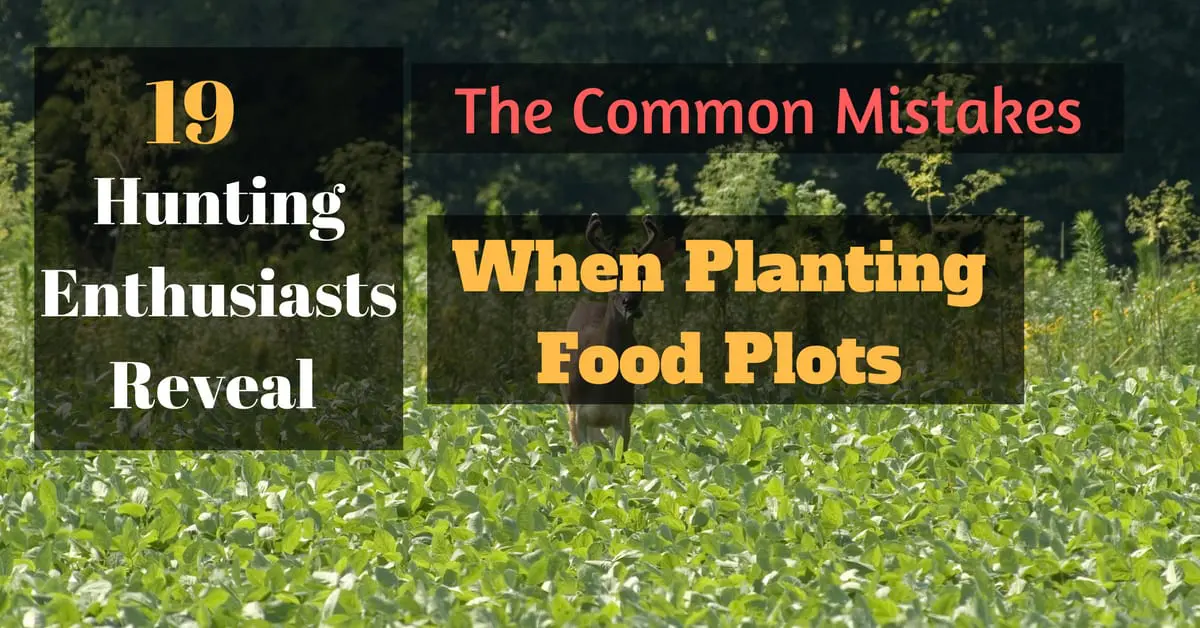
19 Hunting Enthusiasts Reveal The Common Mistakes When Planting Food Plots

19 Hunting Enthusiasts Reveal The Common Mistakes When Planting Food Plots

Planting food plots is one of the common methods used by hunting enthusiasts to lure in deer. And the steps in creating one are not just as easy as they may look — hunting experts have long been mastering and gathering knowledge on how to effectively utilize this method to achieve their goal of luring deer. However, it is also a fact that there are mistakes that are committed during the process that can jeopardize their hunting activities.

So, in line with this, I have created a way to make things easier for you and help you out as best as I can. I have sourced out experts that help on answering a very important question: What are the most common mistakes when planting food plots?

In this article, I will share with you the responses and advices we got from 19 hunting enthusiasts that you can utilize yourself. I have listed their responses below. Let’s us see what they have to say.

What are the most common mistakes when planting food plots?

1.  Devon Johnk, Food Plot Division Specialists- Arrowseed.com

devon

Devon Johnk joined Arrow Seed as one of their specialists in December 2011. He also works as a warehouse manager and sales representative for the company’s food plot division.

  • ” In my opinion, the largest mistake made when planting their food plots is how they are preparing their seedbed. The typical preparation steps are mow, spray, till or disk, broadcast, and pack. Anyone can save time and provide better bed if they would rearrange a couple steps. I suggest, mow, till or disk (if you can’t, drill), give dormant seeds 10 days to 2 weeks to germinate, spray out growth then broadcast or drill, and pack. This will give you a better opportunity to eliminate as much of the weed competition as possible “

2. Bronson Strickland, Associate Extension Professor, Wildlife Ecology and Management  – Msudeerlab.com

697029 twitter 512Broson

Apart from being an Associate Extension Professor for Wildlife Ecology and Management, Bronson Strickland is also a published author of numerous materials about wildlife in general. He graduated B.S. Wildlife Biology at the University of Georgia. He then achieved his M.S. Range & Wildlife Management at Texas A&M University – Kingsville. Finally, he earned his Ph.D. in Wildlife Ecology at Mississippi State University.

  • “That’s a great question and I’m glad you are addressing it in your blog. The biggest mistakes I see are 1) not taking a soil test – that’s the best $10 you will ever spend on a food plot. 2) Not seeing what the Pure Live Seed amount is in the bag. With the advent of seed coatings, sometimes the coating makes up 50% of the weight of the back. Thus, a 50-pound bag only has 25 pounds of seed. 3) Not looking for the germination rate and adjusting the planting rate accordingly.”

3. Mark Newell – Associate Wildlife Biologist and Accounts Manager, Tecomate.com

697029 twitter 512mark

Hailing from Northeast Mississippi, Mark Newell is known to be a skilled land manager and wildlife biologist. He is currently an Associate Wildlife Biologists and Accounts Manager at Tecomate and is also the President and Founder of Newell Wildlife Services.

  • “Food plotting in the Deep South is a major part of hunting culture. So growing up in a hunting family in Mississippi you learn quickly how to plant a food plot. By the age of 13, I was on a tractor disking up my personal plots along with many others for guys in our hunting club. Now I am Tecomate Wildlife Systems’ biologist with 27 years of hands on food plot planting experience. I have learned the hard way many of the dos and don’ts of food plot planting. However, the most common mistake I see is incorrect planting depth, more specifically, the seed planted too deep. Since most folks use the broadcast method of planting you see this problem a lot. I cannot tell you the calls I have gotten through the years stating that their plots did not come up and it was due to plots typically planted too deep. Many times guys cover their seed by disking it or even dragging it in on an uneven soil bed. The results of both bury much of the seed too deep for it to germinate and make it out of the ground.
  • Here is a quick rundown of how to properly plant a plot using the broadcast method. 1. Remove vegetation with herbicide and/or clipping. 2. Apply fertilizer (also lime if needed). 3. Disk up the soil 6 inches or so. 4. Level the plot with a drag or cultipacker. 5. Broadcast your seed. 6. Cover the plot with a drag or cultipacker.
  • If you will go by these steps you will eliminate the “planted too deep” problem and have much more success out of your food plots.”

4. Kent Kammermeyer – Wildlife Consultant and Certified Wildlife Biologist Deerconsulting.com

kent

Graduating B.S. in Wildlife Management from University of Connecticut in 1972 and earned his M.S. in Wildlife Biology at the University of Georgia in 1975, Kent Kammermeyer began his professional career as a Senior Wildlife Biologist at Georgia DNR. He became a Certified Wildlife Biologist in 1979 and for 25 years served as a Chairman of the State Deer Committee. He has also published countless articles mostly about deer.

  • “Hunters most often plant based on the calendar (Ex. Labor day weekend). The decision should be based on rainfall predictions from late August (in the north), September (in the mid-south) and October (in the deep south). The fall season in the eastern U.S. is typically one of the driest times of the year as many of us found out last fall. Hundreds if not thousands of plots ended up total failures because of scant if any rain in September and October. Sometimes a late crop of Cereal Rye (not ryegrass) and clover planted in November can save us, sometimes not, if the weather turns colder than normal. 
  • Other common mistakes Most hunters skimp on fertilizer and lime. The best way to find out how much is needed is to take a soil test and sent it to a test lab. They will help you interpret the results. Lime usually only needs to be spread at about 2 tons/acre every 3-5 years in the east and midwest. Fertilizer is more difficult to guess but a rule of thumb is 250-300 lbs/acre of 17-17-17 or 19-19-19. These are a better bargain than 5-10-15 or 10-10-10 as they contain less Nitrogen, Phosphorus, and Potassium that all crops need at planting time.”

5. Steve Elmy – Owner of Rack Stacker- Rackstacker.ca

facebook transparent pics 18steve

Steve Elmy is the owner and founder of Rack Stacker which offer a line of animal feed, hunting and conservation products. Steve is a Level II QDMA (Quality Deer Management Association).

  • “The top mistakes made in food plotting could be….. Planting the wrong time of year for the products/ seed they are using. Certain plants need a longer growing time and there are plants that mature very quickly. This can do 1 of 2 things, mature and not be as palatable for the wildlife, or may not mature at all if planted late. This being perennial forages like clover or Alfalfa.
  • Another common mistake in food plotting is applying the wrong fertilizer. It’s important to apply the right fertilizer if any is needed at all. A local agronomist and walk you through the steps of a Soil test and direct you to the right fertilizer to use.”

6. Blaine Burley – Owner of Woods-N-Water Inc Theplotmaster.com

facebook transparent pics 186

Blaine Burley is the owner of Woods-N-Water Inc which developed a complete line of revolutionary and all-in-one food plot planting machines for tractors and All-Terrain-Vehicles. His many years of experience gave him vast and valuable knowledge in food plot management.

  • “One of the biggest mistakes that I see when planting food plots is that most people plant them too large and in the WRONG location.
  • One of the key ingredients for my success in producing and harvesting BIG BUCKS over the years is planting small “harvest” plots near established bedding areas. There are many benefits of planting these small food plots. Not only can food plots provide a high-quality food source for your deer herd, but they can also serve as an effective means of concentrating and attracting deer on your hunting property. Plus, your deer do not have to travel as far to feed which increases your chances of harvesting these big bucks during legal hunting hours and decreases the chances of them being harvested by your neighbors. This also increases your chances of maintaining older-age class bucks on your property.
  • When planting my small “harvest” plots, I prefer to keep them as small as possible ( a ½ acre or less). Big bucks are normally very nocturnal animals and do not like to expose themselves (especially in large openings) during legal hunting hours. That is why I like to plant these small plots as close to known bedding areas and thick cover as possible.
  • Traditionally, wildlife managers and sportsmen have used large farm tractors and farm implements for planting food plots. Unfortunately, most of this farm equipment is too large to get into these often remote areas. Therefore, food plots have been planted primarily in areas that are easily accessible to tractors and/or larger equipment. However, in recent years, many sportsmen have discovered a much easier and cost-effective means of planting these small “harvest” plots-using ATVs, small tractors and small implements. Today’s ATVs are much larger and more powerful than ATVs of the past. Today’s larger ATVs can pull ATV implements such as the PLOTMASTER™ by Plotmaster Systems, LLC with ease.
  • One of the benefits of using small implements is that it enables hunters to plant food plots in the isolated, “hard-to-get-to” places. This enables sportsmen to plant food plots in the areas that are closer to established bedding areas. By locating food plots near established bedding areas, deer do not have to travel as far to get to these food sources. Mature bucks tend to feel more secure and travel more, especially during daylight hours, in these isolated places. Therefore, hunters have a better chance of harvesting trophy class bucks during legal shooting hours. In other words, sportsmen can bring the “food” to the deer by planting small, isolated food plots thus increasing your chance of harvesting that “Buck-of-a-Lifetime”.”

7. AJ Gall – Manager for Legendary Whitetails Community Page Community.deergear.com

697029 twitter 512aj

AJ earned his degree in Wildlife Management and Research at University of Wisconsin-Stevens Points. Filming for Midwest Whitetail and Growingdeer.tv are just some of AJ’s professional projects. With years of hunting and wildlife experiences and being a habitat, consultant makes AJ a perfect in-house expert.

  • “Don’t skip the details. Soil tests are crucial for determining what to plant and what your fertilizer needs are. Better Soil, Bigger Bucks
  • K.I.S.S. (Keep It Simple, Stupid) – A simple acronym reminding folks to keep their food plot program simple. Don’t get too cute trying to plant 10 different things. Perfect two or three and rotate those from year to year. My staples are soybeans, clover, and a brassica mix. 
  • Timing is everything. Check your key planting dates and wait for the rain. Prep ahead of time so you’re ready to throw seed down when rain is on the way. Also, be aware of your average first and lasts frost dates. 
  • Don’t forget the rest of the property. Food plots often get all the attention, both in terms of off-season management and hunting during the season. Don’t fall into this trap. 

8. Jim Stickles – Associate Wildlife Biologist, The Wildlife Society Biggamelogic.com

697029 twitter 512big

Currently, a Masters student and apart from being a certified Associate Wildlife Biologist for The Wildlife Society, Jim Stickles is also a Deer Steward II for Quality Deer Management Association. He earned his Bachelor’s degree in Wildlife Science at the State University of New York, College of Environmental Science and Forestry. He has also published articles namely, Deer Hunting in June, Where Has That Darn Buck Gone?, and 10 Things We Know About Mature Buck Movements.

  • “Food plotting is a lot like cooking. If you follow the recipe, everything usually turns out OK. However, if you try to cut corners, or add incorrect ingredients, the results can be disastrous. Like novice chefs, novice food plotters routinely make mistakes, the most common of which are as follows:
  • 1) Failure to conduct a soil test.
  • 2) Planting small seeds too deep.
  • 3) Planting at the wrong time of year.
  • 4) Planting without rain in the forecast.
  • 5) Planting browses sensitive crops in small acreage.”

9. John O’Brion – Owner, Grandpa Ray Outdoors Grandparayoutdoors.com

697029 twitter 512john

Aside from being the owner of Grandpa Ray Outdoors, John O’Brion spent 24 years as a Wildlife and Ruminant nutritionist and a crop advisor and seed specialist. He believes that nutrition starts with a healthy soil. He is also one of the pioneers that introduced generic chemicals in the US.

  • “Not enough people are educated on the maturity of the forages they are planting. Two forages that are commonly planted too early across the US are daikon radish and turnips. Radish may seed out as early as 45 days and turnips mature in 60 days. Neither of those crops should be planted anywhere before August. There are rapid growing brassicas and long season brassicas. The maturity ranges from 45-150 days on brassicas. People need to educate themselves on when to plant based on the specific brassicas they are planting.”

10. Mike Hanback – Deer Hunting Expert and Blogger Mikehanback.com

697029 twitter 512mike

Mike Hanback started as an Editor for American Hunter Magazine. His has gained valuable experience both in hunting and writing over the years. He then started to do freelance writing in mid-1990s for Outdoor Life and became their Deer Hunting Editor. His next venture is becoming a blogger with over 2,000 posts and counting in the last 6 years about deer hunting.

  • “People often overlook the easiest place of all to put a food plot on a property–an old logging road. Planting 1,000 yards of logging road is like putting in a one-acre plot. Log roads are already open and easy to access–no major tree clearing–so you can go in with an ATV and disc and plant seeds quickly and easily. A perennial clover works best here. Clover tends to grow best on north-south roads that get 3 to 4 hours of sunlight each day, but plant and fertilize as many road sections as you can for maximum food and edge for deer”

11. David and Wayne Ward – Co-Founders of Wilderness Obsession Wildernessobsession.com

697029 twitter 512mike

Both David and Wayne Ward are Co-Founders of Wilderness Obsession which is served as a legacy within the Ward family. David is a fisherman and a hunter by heart, while Wayne loved the outdoors ever since he was young. These two just have the passion and enjoys everything about the wild.

  • “The biggest mistake we made when we got started in the world of food plots was not completing a soil sample prior to just planting. Take a 5-gallon bucket, dig in multiple spots on your plot just below the sod and stir it together in the bucket. You only need a small amount of soil but taking it from multiple points in your plot make for a true sample. The information the lab will give you will amaze you. Soil sample kits can be had for as little as $15 and often make all the difference with crop growth”

12. William Yancy – Head of Sales, Firminator Equipment Thefirminator.com

facebook transparent pics 18firm

William Yancy currently is the Head of Sales for the Firminator equipment which is manufactured by Ranew’s Outdoor Equipment. He also serves as Sales and Marketing Manager at Ranew’s Outdoor Equipment. He earned his degree in Agricultural Business at Abraham Baldwin Agricultural College.

  • “The one mistake I see a lot of people make when planting plots is putting out to many seeds. If the seed company recommends putting out 40 lbs to an acre a lot of people will add 50 percent more or double it to 60 or 80 lbs per acre. These recommendations are from agronomist who knows their business. The recommended setting is also for the soil conditions being close to perfect as far as nutrients go. When you put out too many seeds and they germinate you have a lot more plants competing for the nutrients in the soil. This will cause your plant growth to be stunted and not reach maturity. Stick with the recommended seed rate per acre and you will have a lot better-looking plots and save you some money on seed.The one mistake I see a lot of people make when planting plots are putting out to many seeds. If the seed company recommends putting out 40 lbs to an acre a lot of people will add 50 percent more or double it to 60 or 80 lbs per acre. These recommendations are from agronomist who knows their business. The recommended setting is also for the soil conditions being close to perfect as far as nutrients go. When you put out too many seeds and they germinate you have a lot more plants competing for the nutrients in the soil. This will cause your plant growth to be stunted and not reach maturity. Stick with the recommended seed rate per acre and you will have a lot better-looking plots and save you some money on seed.”

13. Joel Hagen – Agronomist, Deer Creek Seed Deercreekseed.com

deer

Joel Hagen is a Certified Crop Advisor and is currently serving as a Sales Staff for Deer Creek Seed. Deer Creek Seed focuses on growing, conditioning, and packaging turf, forage, and wildlife food plot seed.

  • “Food plot success or failure is driven by several factors. Soil pH, fertility, and climate can and must be considered when selecting seeds or seed mixes. Seed, plant roots and the forage they generate require optimum soil conditions to generate maximum nutrition and yield. Plants have a comfort zone. Soil type, soil moisture, and soil nutrition are the basis of healthy productive plants. Climate, location and planting date also interact with plants to change performance. Failure is often selected at the checkout line. Test your soil to establish a nutrient baseline. Correct soil with appropriate lime and nutrients. Select seeds that fit within existing conditions. Plant seeds at the proper seeding rate, planting depth and planting time for ultimate success.”

14. Tayler Riggen – Sales and Marketing for Muddy Outdoors and Big Game Treestands Gomuddy.com

697029 twitter 512mudy

Currently working as a Sales and Marketing Staff for Muddy Outdoors and Big Game Treestands, Tayler Riggen is a passionate whitetail deer hunter. He earned a B.S. in Horticulture and Turfgrass Science, Minor in Agronomy at Iowa State University. Combining his love for hunting and film, most of his work can be viewed online at Muddy’s Trophy Pursuit.

  • “I would say the biggest mistakes people make with planting food plots are not understanding their soil nutrients, and not putting in enough time to prep the soil BEFORE planting. Many people want to mow/disc/seed/culti-pack and finish a food plot all in 1 day. You just can’t have a great food plot that way. Take the time to do a soil test, then mow and disc the area, spray the weeds and wait for them to die. Then come back later and disc in your fertilizer, and seed right before a good rain. A good food plot is a process, but it’s an enjoyable one. You can’t cut corners!”

15. James G William – Food Plotter Expert Huntingkentuckydeer.com

kentu

James considers himself as an expert food plotter as he has a numerous and vast experience in setting up food plots. He manages over 13 food plots that are ½ acres each. For him, learning from your own mistakes is the best way to acquire the best knowledge.

  • “#1) The big mistake experts make in giving advice to up-and-coming food plotters is that we don’t care about losing money! That’s right. I said it. We don’t care if our germination rates are .08% off from a professional farmer to produce an extra $2.32 per acre of corn. Farmers need to be picky, but food plotters waste money and let’s be realistic on how much money we are “wasting” over-seeding, fertilizing/not fertilizing, etc. Answer: Not much money at all.
  • #2) So after me telling you not to worry about all the advice experts have for you, you should still listen to the experts! When they start taking numbers, rates, etc., just know that’s when really don’t need to “worry” so much unless it’s just flat out fun for you as it is me.
  • #3) You food plot for “fun” I hope. There is no way you can manage for deer and expect to make enough money to even make a care payment unless you were lucky enough to inherit land from family. Remember this should be your “hobby” so treat it like one. Have fun!
  • #4) Stop listening to those of us who do foot plots all the time! Go out and make your own mistakes. Learn what works on your soil, food plot shade, and deer density.
  • #5) Plant Eagle Seed Soybeans like what Dr. Grant says to do from Growing Deer TV. Plant them in 1/2 acre plots as I have and watch them fail! LOL…as I have. Try putting up fencing and spreading stinky manure around to keep out the deer…and watch it all fail as I have. These are some of my food plots from this year: Kentucky Hunting Outfitter Plots
  • #6) Do some more failing on your own. Even though you’re reading all the advice in the world, if you’re like me, you’ll still forget something, rush through something, etc. The NUMBER ONE THING above all to do is to spray and kill your weeds a few weeks before planting! All the soil samples, lime, and fertilizer in the world is not going to help you with weed control.
  • And to quote an Iraqi friend/outfitter Chris Simon, “Food plots are all about the theory of relativity. Corn is great, but if you’re trying to plant corn around 1,000’s of acres of farmer corn, you’re better off taking a crap in the field. It will attract more animals. Plant something unusual for the area.” And this would be where Ph levels, fertilizer, etc., comes into play. It’s the difference between Big K Cola and Coke. Both are good, but you’ll prefer the Coke every time. I would have brought up beer or bourbon, but we’re hunters, most of us will happily drink a Pabst Blue Ribbon.”

16. Ben Addington – Marketing Supervisor, Lacrosseseed.com

697029 twitter 512kentu

Ben Addington is an Advertising and Marketing Professional and currently is the Marketing Supervisor for La Crosse Seed (La Crosse Forage & Turf Seed, LLC). He earned B.A Major in Public Relations and Minor in Management at Carlson School of Business. Apart from that, he is also a music, sports, and outdoor enthusiast.

  • “Above all the most overlooked and important step in establishing a food plot is doing so with soil testing. A soil test must be done prior to planting as it is our way to evaluate the health of the soil and the key to making amendments appropriate for the species planted.
  • Secondly, ensuring adequate soil to seed contact is of great importance. This allows the seed to come in contact with nutrients and water needed to germinate. Having the correct seed depth and seedbed preparation will result in optimal soil to seed contact for germination.”

17. Justin Pederson – Conservation Specialist at Millborn Seeds Millbornseeds.com

697029 twitter 512justin

Justin Pederson shares his expertise as a Conservation Specialist and a Food Plot Expert as a part of Millborn Seeds. This company focuses on delivering intelligent grass seed solutions by identifying land characteristics, species selection, seed mix ratios, timing, and techniques.

  • “When planting food plots, timing is everything. You want to allow enough time after planting to establish growth before hunting season but not so much that the plants will become too mature and non-attractive to the wildlife. The biggest mistake we have seen is people getting their plots in the ground a little too early and having the plants, especially brassicas, become too mature by the time the late season comes around.”

18. Austin Delano – Research and Development for Mossy Oak BioLogic Plantbiologic.com

facebook transparent pics 18aus

Austin Delano is a passionate worker that enjoys being a research and development staff for Mossy Oak BioLogic. He takes pride in helping people manage their land for better wildlife.

  • “One of the most common mistakes I see made in the world of food plots is a lack of proper seedbed preparation and soil testing prior to planting. Soil testing before planting can give you all the info you need to add the correct amount of fertilizer as well as time if it is needed. A lot of guys are also looking for a shortcut when it comes to preparing the soil. Germination rates, seedling survival, and overall plot success are greatly increased when the effort is made to prepare the soil correctly.”

19. Mark Drury – Part Owner of Drury Marketing Inc and Employee of M.A.D. Game Calls

Druryoutdoors.com

facebook transparent pics 18aus

The Drury brothers are part owners of Drury Marketing Inc. Apart from that, Mark is also a staff of M.A.D Game Calls. And Terry is President and Owner of T. Drury Contracting. Mark is known to be a competitive turkey caller and has earned six different world titles. He is passionate when it comes to land management to ensure healthy animal population in the farm. On the other hand, Terry got himself involved in a career as a general contractor since the family owned a construction company. He then decided to start his own company called T. Drury Contracting Inc. Like his brother, Terry also is passionate about hunting and this led them to create Drury Outdoors.

  • “I think one of the biggest mistakes people make is not checking their soil conditions before the planting begins. That will help palatability. Another one would be prep on the ground if it’s going to be a new food plot. Meaning mowing or spraying for weeds etc. If you don’t do that, you will tear up your equipment when you go to start turning the dirt.
  • Those are pretty simple things, but if you do that, it should help set you up for success when you go to actually plant your plot!”

Conclusion

Now, this is definitely an amazing article, isn’t it? Our experts just shared with you some of the most valuable information you can now apply and use for setting your own food plot effectively and efficiently. This just completely justifies the adage, “take it from the expert”.

How about you? What do you think are the common mistakes when planting or creating a food plot? We love to also hear it from you. Share your ideas with us by leaving a comment below.

Filed Under: Hunting 22:07 by Kevin Steffey

How To Hunt Deer – 21 Deer Hunting Tips and Tricks that will make you an Expert Hunter

How To Hunt Deer – 21 Deer Hunting Tips and Tricks that will make you an Expert Hunter

The thrill that you feel while tracking down your prey during a deer hunt is something you can only experience firsthand and anyone who has been on such an expedition, whether a veteran or a newbie will be able to identify with that feeling.

However, there is so much more to just an emotional experience while deer hunting. Everyone likes to be good at the things they do, and you may ask yourself these questions: “What don’t I know about deer hunting? What are the common mistakes that I could make? What are the best practices that I could follow?”

You will be surprised to know that many veterans still ask themselves these questions – every deer hunt brings in new challenges and there is learning in each one. We must always remember that we are dealing with wild animals which can be unpredictable at the best of times, so, expect the unexpected.

Despite the element of the unknown while hunting wild animals, in this case deer, we can make some generalizations. I have considered these generalizations as common ground to prepare some useful deer hunting tips and tricks. Here are 21 deer hunting tips and tricks that will make you an expert hunter.

Preparing for the Hunt

This activity is almost as important as actually going for the hunt. A good hunter will always have a well-planned stock of supplies and a plan of action that will make the actual expedition fun, adventurous and fruitful. You will be surprised at the most obvious things that you can overlook if you do not have a proper list in place. Here is a list of what you should be ready with:

  •     Stock up your Gear and Check it

Make a list of things you will need. Not only obvious things like weapons, ammo, food, and water but think about less obvious items that could come in handy like a first-aid box or a compass.

  •  Permits and licenses

Ensure that you have all the licenses at hand. Each state has varying local hunting licenses, so you need to be sure to have the right ones for the region that you are visiting. A friend of mine reports that once when he was out on a deer hunt with an office colleague, his partner happened to ask him about a particular permit which to his dismay he didn’t have. He just needed to pay $25 at the local hunting authority’s office but what a sad difference that would have made if forest department had stopped him!

  • Local Laws and Regulations

Get familiar with the local laws and regulations because these also can vary from state to state. You need to know about the opening and closing dates as well because you wouldn’t want to be caught unawares by starting a day early and paying the price, literally!

  • Sighting your Weapons

If you want to make a good, clean shot during the hunt, your gun needs to be accurate. For that, you will have to sight it. Sighting a weapon is relatively straightforward, although maybe a mildly tedious job but believe me, it will make a world of difference in the way you shoot.

  • Interact with the Locals

Getting information from locals is a good way of finding out about the movement of deer. The local farmers and inhabitants will have a good idea with regards to where the deer are and what they are doing. You can pay a few visits to the hunting sites a few weeks before, to plan out your strategy by inputs you get from the locals.

  • Keep Fit

Hunting is a strenuous activity, whether you are wielding a bow or just traipsing through the woods for hours on end. During the off-season, it is possible to get out of shape. You need to sleep well, eat well and keep fit by working out regularly so that you are in prime form for the forthcoming hunting season.

See Also: How to Be a Better Bowhunter- Bow Hunting Tips

Without further ado, let’s take a closer look at the tips that will help you become a better hunter:

  • Tip # 1: Deer have a surprisingly strong sense of smell and can detect a human a mile away. Before going on a hunt, bathe with an odor-free soap. Pack your hunting clothes in a sealed plastic bag along with a bit of dirt, leaves, and twigs and wear them only on reaching the site. This process should somewhat disguise the human scent.
  • Tip # 2: Use doe estrous as bait for attracting the buck. Although you shouldn’t rely on this alone, it is a great tool for attracting the big buck. You can try dragging along a rag soaked in doe estrous which works quite well. However, you should use estrous judiciously. Do not use it at a time that does are not likely to be in season.
  • Tip # 3:Odor eliminator is also a useful thing to use. However, don’t just spray before you leave for the hunt. Take it with you and spray it on yourself once you reach the site, paying particular emphasis to your hat and hair.
  • Tip # 4: Well before the season, make sure that your tree stand is well-set up. Practice assembling and dismantling it and a good tip is to set it up low in the tree to give you quick access to it when required, with the least possibility of making any noise.
  • Tip # 5: Google Maps is a great tool to check out the terrain with an aerial view of the site. Make good use of Google Maps to plot your route, making notes as you go along.
  • Tip # 6: While hunting in wet weather, tape the end of the muzzle of your gun with a bit of electrical insulation tape. The tape will keep the inside of the barrel dry, and you will be able to shoot through the covering when required.
  • Tip # 7: If you need to remove your intended route of obstacles like branches and fallen logs, do so well before the hunting season starts. Deer will get the scent of freshly-cut timber and foliage and associate it with the movement of humans and get spooked.
  • Tip # 8: Do not underestimate the advantage of tree stand blinds,however much a seasoned hunter you may be.Tree stand blinds serve the dual purpose of hiding you from your prey and protecting you from the elements during rain or extreme weather.
  • Tip # 9: Keep a deer decoy handy and practice deer calls which can come in handy if you spot deer on adjacent land to which you do not have permission or access.
  • Tip # 10: Carry a sufficient stock of insect repellant with you. Bugs can not only be irritating but can cause disease, and you don’t want your hunting season to end abruptly due to sickness caused by insect bites.
  • Tip # 11: When you get back home after your hunt, or even at the site if you are to wash any of your clothes, ensure to use non-scented detergent.
  • Tip # 12: You may not be an excellent tracker but here’s a good tracking tip: If there is snow on the ground, look out for leaves scattered around where deer may have pawed for mast. If you see traces of mast still in the field, there is a possibility of the deer returning to the spot.
  • Tip # 13: You have made a hit. Your buck is down. What next? Check the blood pattern. Frothy blood will indicate a good shot to the lungs or heart, but watery blood mixed with stomach matter show a weak shot. Be wary in such a case because it is common for a partially-wounded buck to charge and the consequences can be fatal.
  • Tip # 14: Maintain tree stand safety at all times. No matter how low your tree stand may be, you don’t want a sprained ankle, broken leg or worse. Statistically, most falls from tree stands occur while climbing in or out of the tree stand. Use appropriate safety gear.
  • Tip # 15: While moving on foot, you need to go slowly. Try using your watch to time the periods of standing still (up to even five minutes!). Use this time to listen hard for any movement in the foliage.
  • Tip # 16: If you make the slightest of noise, even the snapping of a small twig, STOP! You may not think much of it, but that is likely to prick up the ears of your unseen quarry. Even the slightest noise again, and you will probably have to kiss your shot goodbye for the day.
  • Tip # 17: This is a rare trick and totally off-the-track. Rather than walking naturally, try using light, quick steps in short bursts. You may feel dumb doing this, but to a buck, you will sound less like a human and more like just another wild animal scampering across the woods.
  • Tip # 18: Game trail cameras are a good way to track down deer movements if you are willing to invest in a bit of time and money. Today, you can even get digital cameras which send a message to your mobile phone when movement is detected.
  • Tip # 19: Keep all your stuff, especially your weapon at hand’s reach if you are going to have a snooze or even if you are just hiding, waiting and watching. Deer hunting is usually good on rainy days, so have enough waterproofing for yourself and your gear to last out the wet days.
  • Tip # 20: While calling a buck, a snort wheeze is usually quite useful. However, avoid calling too frequently, as bucks do not sound so regularly. When a buck is heading towards you, avoid calling the buck – just let the deer move in your direction, and you can get a shot in when the time is right.
  • Tip # 21: Above all, ensure that you follow all regular safety procedures as follows:

1.     Be aware of the location of other hunters in the vicinity.

2.     Make ample use of ‘hunter’s orange’ to mark your location.

3.     Treat all weapons as if they are loaded at all times.

4.     Familiarize yourself with the weapon that you are using.

5.     Clean and maintain your weapon regularly and use it at least once on a practice range before the hunt.

6.     Carry all possible first-aid gear and keep a stock of general medication as well.

7.     Keep your family informed of your movements and location at all times.

8.     Before you pull the trigger, be sure you are shooting at a deer and be sure of what is behind your target as well.

9.     Keep track of the daily weather forecast.

10. Avoid hunting alone.

11. Check all your hunting equipment and accessories including tree stands if any, before hunting and after the hunt as well.

Expert Deer Hunting is Easier than you ever imagined!

The essence to successful deer hunting is being prepared, organized and using common sense which, unfortunately, is uncommon most of the time.

Because it is so easy to be led off-track and miss out on some standard best practices, I have gone into depth with some of the simplest things that we commonly overlook during a deer hunt. It is so easy to enthusiastically set out on a hunting expedition but fail miserably or worse, meet with an unfortunate accident that could have you could have avoided.

To ensure that your deer hunt is an enjoyable and fulfilling experience, follow these deer hunting tips and tricks that can make you an expert hunter. We hope you have enjoyed reading about these basic deer hunting tips which should make all the difference during your next hunt. If you have enjoyed reading this article, please communicate to us with your valuable comments and feedback. We will be happy to clarify any points that you may have. Do enjoy your next deer hunt!

Filed Under: Deer Hunting 00:29 by Kevin Steffey

  • « Previous Page
  • 1
  • …
  • 20
  • 21
  • 22
  • 23
  • 24
  • …
  • 44
  • Next Page »
  • Best Shooting Rest Reviews For A Perfect Hunting – Best Shooting Rests Reviews
  • Hunting Safety: 5 Best Treestand Safety Harnesses Reviewed
  • How Fast Can A Deer Run – How Hard Would It Be To Catch A Frightened Deer On The Run
  • Rice Bran for Deer- How to Effectively Use Rice Bran to Attract a Deer?
  • The Best Reloading Scale for Consistent Accuracy
  • Which Shotgun Choke Is The Most Open?
  • 17hmr vs 22lr: Which one Should You Use?
  • 5 Top Coyote Hunting Dogs That Are Proven To Be Tremendous Hunters
  • Best Shot Timer: Things to Know About the Top 10 Great Shot Timers
  • Elk Hunting 101: 5 of the Best Elk Hunting Boots

DMCA.com Protection Status

Deerhuntingfield.com is a participant in the Amazon.com Services LLC Associates Program, an affiliate advertising program designed to provide a means for sites to earn advertising fees by advertising and linking to Amazon.com. Additionally, deerhuntingfield.com participates in various other affiliate programs, and we sometimes get a commission through purchases made through our links.