Have you ever wondered how to attract deer? Deer are a great addition to any property. They are beautiful creatures that are not only fun to watch but provide many benefits. One way of attracting deer is by using food, or salt licks, in areas where they can’t get it naturally.
This will draw them closer to your property and give you the opportunity for viewing wildlife up close! Keep in mind that an added benefit of having deer on your property is their ability to eat pesky insects like ticks and mosquitoes so it’s important not only for the environment but also for personal health reasons!
How to Attract a Deer Fast: Best Way to Attract Deer
Area
The first thing to do when looking for deer is determining the area they are most likely or would come into if given a good reason. It’s also important that you look at existing travel routes through your potential hunting grounds as this can help with identifying where we should set up trail cameras in order to verify recent activity and see if our luck has been working out!
I’ve found it easiest just randomly placing them along trails—set one camera so close, but not right on top of an animal’s path (you don’t want him getting spooked!), another about 100 yards downwind from there…whatever seems likeliest spot will suffice; then check back every other day
When trying to bring deer to your stand, the first thing you need is knowledge of how they feed. Deer are creatures of habit, so if they are feeding somewhere one day, they’ll likely return the next day.
– You can draw more deer to your stand by using scents that attract them. These include foods that are high in carbohydrates, such as corn, apples, and acorns.
– Another way to attract deer is to use a mock scrape. This is a place where you’ve scraped the ground with your foot or antlers to simulate a buck’s territory marking. You can then put out scent in the area to make it even more appealing to deer.
– Another way to bring deer to your stand is to use a feeder. There are many different types of feeders on the market, but all work in a similar way: you put food in the feeder, and the deer eat from it. This is a great way to bring deer close to your stand, as they will be drawn to the feeder from a distance.
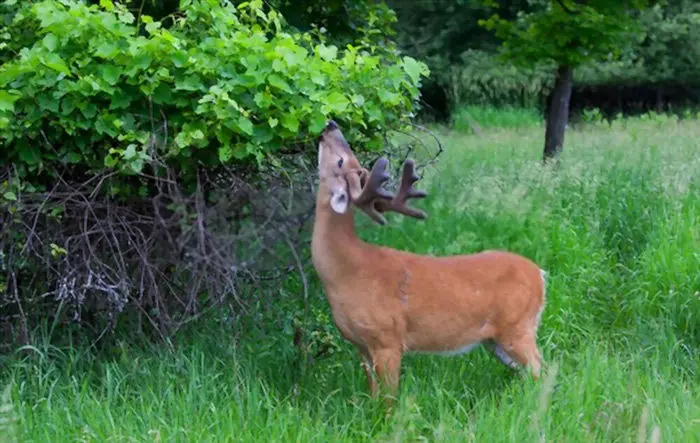
Create a transition corridor for mature bucks.
Bucks will travel greater distances to find does during the rut, but they need a clear path to get there. You can provide this by creating a transition corridor from an area of dense cover to an open food plot or field.
– One of the most important things to remember when trying to attract deer is to be patient. Deer may not visit your stand the first time you try, or even for several days in a row. You may spend hours in your stand without seeing anything at all. But by persisting and consistently placing excellent deer attractants in your area, you’ll eventually be able to increase your chances of seeing more deer.
Deer are becoming increasingly popular game animals due to their tasty meat and impressive antlers. While hunting deer can be a challenging and rewarding experience, attracting them to your stand is the first step in bagging one. There are many different ways to do this, but the most important thing is to understand how deer feed. Once you know what attracts
Attracting deer to your yard is a great way to enjoy the outdoors without ever having to leave the house. There are a lot of ways you can do this, and the most important part is having patience. Deer will not visit your yard right away, so you need to put in the effort and continue to place deer attractants around your property for weeks or even months before seeing results.
Provide minerals and salt.
One of the easiest ways to bring deer to your yard is by providing them with minerals and salt. This can be done by putting out a lick block or simply scattering some salt on the ground. Deer will come to these areas to lick and nibble on the minerals, which will make them more likely to visit your yard in the future.
Add water sources
Another way to bring deer to your yard is by adding water sources. This can be done by putting out a pond or simply scattering some water on the ground. Deer will come to these areas to drink, which will make them more likely to visit your yard in the future.
Plant food plots or fruit trees
Planting a garden or fruit trees is another good way to bring deer to your yard. You can plant any of their favorite foods, such as corn, acorns, and apples. Deer will be drawn to these areas from a distance because the smell of the food will attract them from within the forest.
Adding any of these things to your yard will help bring deer closer, but the most important thing is to have patience. Deer will not visit your yard right away, so you need to put in the effort and continue to place deer attractants around your property for weeks or even months before seeing results. With a little bit of effort, you’ll be able to bring deer right to your backyard!
Add shrubs and vines
Adding shrubs and vines in your yard is another good way to bring deer closer to you. Deer will be able to use these plants as cover, which will make it much easier for them to spot predators such as humans. It will also provide a natural scent that will help lure deer into the area.
By adding any of these things to your yard, you’ll be able to bring deer closer and increase your chances of seeing them. But the most important thing is to have patience; deer will not visit your yard right away, so you need to put in the effort and continue to place deer attractants around your property for weeks or even, months before seeing results. With a little bit of effort, you’ll be able to bring deer right to your backyard!
Attracting deer to your stand is the first step in bagging one. There are many different ways to do this, but the most important thing is to understand how deer feed. Once you know what attracts them, you can begin to use different strategies to bring them closer.
One of the most popular ways to attract deer is by using food. This can be done by placing bait such as corn or apples in the area, or by hanging a feeder.
Build big buck bedding cover.
Another way to bring deer close is by building big buck bedding cover. This can be done by placing a large tarp or piece of cloth in the area, or by simply piling up some leaves. Deer will use this as a place to rest, which will make them much easier to spot.
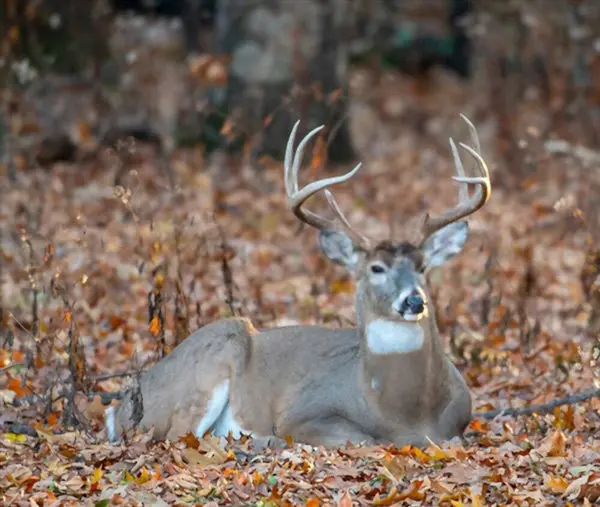
Use scents and frag rances.
Another way to attract deer is by using scents and fragrances. This can be done by spraying the area with a deer scent, or by simply placing some deer urine in the area. Deer will be drawn to these smells, which will make it much easier to spot them.
By adding any of these things to your stand, you’ll be able to bring deer closer and increase your chances of seeing them. The most important thing is to have patience; deer will not visit your yard right away, so you need to put in the effort and continue to place deer attractants around your property for weeks or even months before seeing results. With a little bit of effort , you’ll be able to bring deer right to your backyard!
WikiHow Contributor Initially, the only way to get a deer in range is by using scents and calls. Put out one of these two things an hour or so before sunrise, and see if the deer follow the trail. If they don’t show up within 4-5 hours (and it is safe), set up whatever stand you will use for that day–bring your bow with you on the hike in.
Once you are at your stand location, start moving noisily around; focus on any scrapes or trails that enter into your hunting area. Once you hear/see some noise (deer running through brush), wait for them to come closer while trying not to make too much noise yourself.
If you see a buck and there is cover between you, get down on your stomach and crawl to the end of the cover; if the deer are out in the open, wait for them to come closer. Once they are within 30 yards or so, take your shot.
If all goes according to plan, then you should be able to kill a buck with your first shot. However, I have had many occasions where I’ve hunted all day without getting a shot. In this case, simply pack up and leave–don’t waste time trying to get a doe. You can come back another day during the season when the deer are more patterned.
Create a thermal refuge
Building a thermal refuge is one of the most popular ways to attract deer in your yard. This can be done by using anything from tarps to fallen trees, but the point is to provide shade for the deer so that they can relax and become more comfortable when you are hunting them.
Another way to build a thermal refuge is by hanging up blankets or sheets in several different places. This will give them an area where they feel safe , which means that they’ll be much more likely to come into range (and stay there). Once you find deer in this spot, simply position yourself close enough that you can shoot without scaring them away.
Use scents
Another way to attract deer is by using scents. This can be done by spraying the area with a deer scent, or by simply placing some deer urine in the area. Deer will be drawn to these smells, which will make it much easier to spot them.
By adding any of these things to your stand, you’ll be able to bring deer closer and increase your chances of seeing them. The most important thing is to have patience; deer will not visit your yard right away, so you need to put in the effort and continue to place deer attractants around your property for weeks or even months before seeing results. With a little bit of effort, you’ll be able to bring deer right to your backyard!
Plant oaks
One of the easiest ways to attract deer to your yard is by planting oak trees. Oaks are a staple in the deer diet, so they will naturally be drawn to your property.
In addition to planting oak trees, you can also add other plants that deer like to eat, such as apples, acorns, and corn. By doing this, you’ll not only attract deer to your yard, but you’ll also provide them with food sources that will keep them coming back for more.
Although adding these plants will help attract deer, it’s important to note that they will still need supplemental food sources during the winter months. If you live in an area where the winters are harsh, then you’ll need to provide food for the deer throughout the year. This can be done by using corn feeders, mineral blocks, or any other type of food source that deer will enjoy.
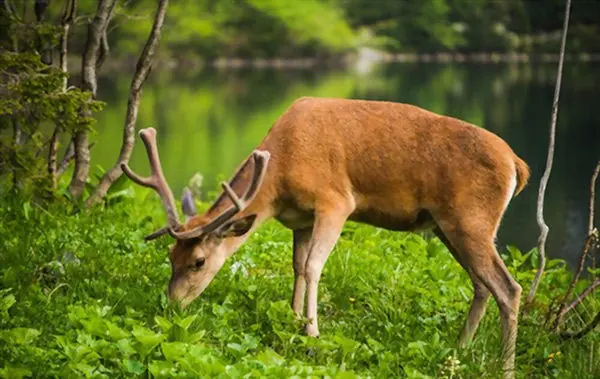
Delineate sanctuaries
One of the easiest ways to attract bucks in your yard is by creating sanctuaries that they can protect.
Although many bucks are peaceful when it comes to interacting with other deer, they will still fight with each other when confronted. To avoid this, you should create separate “sanctuaries” where the deer can relax without having to deal with any type of threat or danger.
To do this, simply provide plenty of food sources and cover for the deer so that they feel comfortable coming into your yard. When they believe that there is no threat nearby, then it will be much easier to hunt them down because they won’t retreat as quickly.
Mock Scrapes and Licking Branches
Creating mock scrapes and licking branches are two of the most popular ways to attract deer to your stand.
Mock scrapes are simply a patch of ground that has been urinated on and scraped with the hooves of a deer. This will send a message to other deer that the area is being claimed as territory, so they will be much more likely to visit.
Licking branches are branches that have been chewed on by deer. By doing this, they are ingesting the minerals and nutrients from the branch, which will make them come back for more.
Both of these methods should be used in combination with each other in order to increase your chances of success. If you’re only using one or the other, then you’re likely to see less deer.
Adding any of these things to your stand will help increase your chances of seeing deer. The most important thing is to be patient; deer will not visit your yard right away, so you need to put in the effort and continue to place deer attractants around your property for weeks or even months before seeing results. With a little bit of effort, you’ll be able to bring deer right to your backyard!
One of the easiest ways to attract deer to your yard is by planting oak trees. Oaks are a staple in the deer diet, so they will naturally be drawn to your property. In addition to planting oak trees, you also add other plants that deer like to
Conclusion
We hope our guide has helped you to make your backyard more deer friendly! With a little time and effort, it can be easy to attract deer to your property. By providing food in the form of plants or bird feeders near woody areas on your property where there is plenty of water available, you are sure to see an increase in wildlife activity around these areas.
Deer are naturally drawn towards sources of food and water so by placing this type of yard decor close to each other, they will soon come running into your yard for their next meal – which just might include themselves as well! The best way we have found that attracts them most efficiently is through constant access to fresh drinking water and regular feeding stations made up with natural foods like