Deer Hunting Field

Hunting Blog

  • Hunting
    • Best Coon Hunting Lights
    • Best Treestand Safety Harness
    • Best Hunting Boots
    • Best Rubber Hunting Boots
    • Best Muck Boots For Hunting
    • Best Treestand Safety Harness
    • Best Hunting Spotlights
    • Best Elk Hunting Boots
  • Archery
    • Best Arrow Rest
    • Best Bow Sights
    • Best Single Pin Bow Sight
  • Gun, Shooting & Accessories
    • Best Bipod for Long Range Shooting
    • Best Scope For Ar 10
    • Best Shooting Rest
    • Best AR 15 Bipod
    • Best AR 15 Slings
    • Best ACOG Clone
    • Best Shot Timers
    • Best Rifle Bipods
    • Best Shooting Tripods
  • Survival
    • Survival Shelter
    • Finding and Purifying Water in the Wilderness
  • About Us

How Much Does Deer Processing Cost

How Much Does Deer Processing Cost

Deer processing cost varies from places to places. Thus, the question, “How much does a deer processing cost?” usually gets an answer of “it depends on” and has become a continuous struggle for everyone. Yes, we are also experiencing the same dilemma as you guys.

This is exactly the reason why we have decided to tackle the issue and somehow address the tight spot so that everyone will be on the same ground, or at least everyone can have a base amount where they can refer their estimates. Let us take guided step by step process for us to get to the best answer together.

How Much Does It Cost?

A lot of establishments charge $70 for their base package which includes skinning, cutting and wrapping. Other places are also within this range; give it more or less five dollar difference. For those of you who are interested in specialty items or has a specific plan for your meat, you may need to pay extra bucks depending on what you want and the size of the deer.

How Much Does It Cost

Other Costs to Consider

Skinning

There are a lot of processors who prefer for you to leave your deer whole and still with skin due to sanitation issues. Unwanted remains such as hair are very hard to get off especially when the deer has dug its nails in, and most of these processors do not want any traces of hair anywhere near your meat. Again, this is still business, and they value their clients’ feedback and satisfaction.

This is their way of protecting their business’ names. However, there are also establishments and deer processors, especially those with small processing sites and do not have enough storage facilities which require their customers to have it skinned beforehand and will only charge them for cleaning fee of at least $15.

Skinning alone would require you to pay $22 minimum. This is the reason why a lot of hunters skin their deer or take advantage of the packages offered by most processors which already includes skinning as part of the whole amount they are paying for.
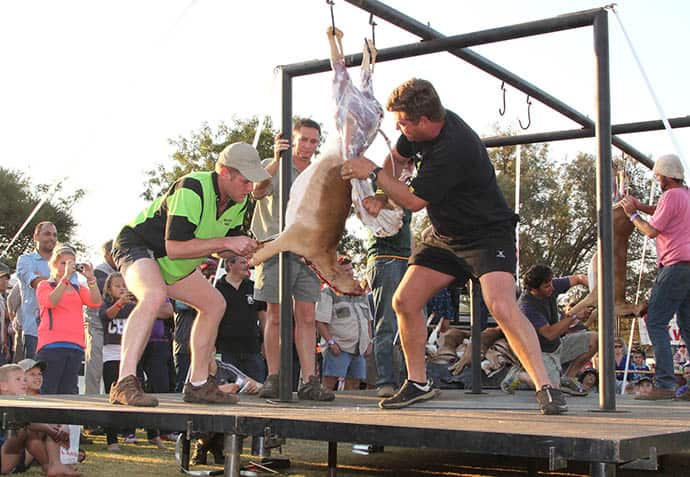
Deer Skinning

The Usual Extras

Going into a processor site will not only require you to bring with you your hunt. It also requires one to decide what other services you would want for the processor to do for you and for you to decide what you want to spend, if any, on extras. To be able to determine these things beforehand will allow you to save more time instead of wasting few minutes deciding which one to get while on the counter.

Considering these things before going to the processing site will also result for you to avoid impulsive decision making which you will regret once the bill comes in. So, it is always better to think things ahead of time to avoid regretting and to save time and money.

Summer Sausage

Who does not want to always have a grip on this all-time favorite? Yes, we are in the same boat here. I also want to have a taste of jalapeño and cheese summer sausage! However, you have to consider that having your whole deer be processed into a sausage will be too costly for one (unless, money is not issue). The average cost of summer sausage is around $3 per pound. So, you might want to take a pause for this one and give yourself some time to think it through.

You can also watch the video:

Venison Bacon

Yeah, I know by only talking about this right now you are starting to drool, and you want to have taste of venison bacon. NOW. FAST. However, let me stop you right there and remind you that before you can have your venison bacon in your little Lala land, you have to pay around $4 per pound. Oh, did I pop your bubble? Opps!

Raw Venison

Burger

Now, having your venison grind is very affordable. A lot of processors only charge $0.50 per pound to ground and bag your meat. So, call your friends now and prepare for a grand burger party!

Jerky

A lot of processors are going the extra mile, and they offer special jerky preparations. In fact, most of these processors offer steak jerky and flavored jerky. The most common flavors are Teriyaki, Jalapeño, Black paper, and BBQ. There is also a variety of spiciness offers that one can choose from mild to hot and spicy.

One thing that one needs to be always reminded about is that most of these processors charge the cost of jerky basing on the raw weight of the meat. The cost is around $4 per pound of raw meat. Then, they will process the meat, season and cook it for you to receive it fully cooked, smoked and ready to eat.

Jerked Meat

Gentle Reminder

A lot of processors ask for a down payment most of the time. This is something that you should be prepared for since there are also hunters that expect to pay the full amount upon completion of the task. These processors usually ask $40 to $50 down payment or at least 50% of the whole amount to be paid.

Conclusion

Deer processing is a critical thing that one needs to consider especially to those who do not have the time and the expertise to process their deer. Although, a lot of people want to do it their own for them to be assured that they will be getting the meat which they hunted, taking the hunt to the processors will be a great help to ensure cleanliness and quality of the meat.

Related: How Much Meat From a Deer-Quick and Easy Way to Estimate Venison Yields

Basing from the discussions above, processing cost of the deer may take few bucks out from your pocket, but the result is very worthwhile since it does not only provide you with quality meat and other extra items but it also allows you to thoroughly enjoy your hunt after spending effort and energy hunting them. Now, that is what you call maximizing proceeds.

Filed Under: Deer Hunting 19:05 by Kevin Steffey

How To Gut A Turkey – Ways on How to Properly Gut a Turkey

How To Gut A Turkey – Ways on How to Properly Gut a Turkey

Gutting a turkey can be a very painstaking thing to do for some especially to those who are not used to handling innards. However, hunters are expected to know this process and provide assurance that doing so is a very easy and straightforward process as long one has the tools to perform such. Thus, we have decided to provide you with the essential ways on how to properly gut a turkey to make your life a lot easier. So, read on and learn from the experts!

How To Gut A Turkey- Steps to Gut a Turkey

Note: Gutting a turkey is a time-consuming process. Thus, it is always better to give yourself enough time to gut the turkey and start the process of cooking it for you to be able to serve it as scheduled.

See also

  • How To Hunt Turkey
  • Where To Shoot Turkey With A Rifle
  • How To Bait Turkey
  • How To Call A Turkey
  • The 10 Best Turkey Hunting Boots 

1.Observe cleanliness and hygiene of the place where you plan to prepare the turkey. Also, let’s go back to the basics; wash your hands.

Cleaning your workspace is crucial to ensure that your turkey will be free from contamination. This can be done by thoroughly washing your hands including your fingernails. Also, use your antibacterial cleaning agent and warm water to clean the surface of your working space, your cutting boards and even knives.

aid3048084 900px Gut a Turkey Step 2 Version 2

Via: http://www.wikihow.com

2. Prepare all the necessary materials and make sure that they are within your reach.

You will need a:

  • Cutting board
  • Knives
  • Bowls and apron
  • Latex-free glove is also recommended since it will come handy for those with latex allergies

3.After laying the turkey stomach-side down, prepare to free the trachea and esophagus (if the turkey still has the neck).

This can be done by cutting along the back of the neck to free the esophagus and trachea to be able to pull them out through the pelvis.

aid3048084 728px Gut a Turkey Step 3 Version 2.jpg

Via: http://www.wikihow.com

4. Flip the turkey gently onto its back.

Since you have already cut the turkey once, you need to flip it over carefully. This will prepare you to make the cut and pull the innards safely.

aid3048084 728px Gut a Turkey Step 5 Version 2.jpg

http://www.wikihow.com

5.Between the breastbone and the anus, cut a horizontal slit.

Be mindful of the fact that the slit should be large enough to fit your hand so you can pull the innards without having any issues and to make sure that you do not punctuate the innards. Puncturing it, especially the gallbladder will result for a messy result since the digestive juices will begin to break down the meat that it will touch.

aid3048084 728px Gut a Turkey Step 6.jpg

Via: http://www.wikihow.com

6.Remove the organs using your hands

Yes, there is no other way to do this but through using your strong hands. Insert your hand and pull out all the organs including the heart and lungs. You might need to set aside some of these organs such as the heart, liver and gizzard since these can be cooked. Other organs need to be properly disposed of.

aid3048084 728px Gut a Turkey Step 7.jpg

Via: http://www.wikihow.com

7.Loosen the intestine and other digestive organs

You can do this by slicing down to the anus and cutting a circle carefully which will enable you to pull these organs out. Also, remember that these organs are not to be kept to cook. Thus, one should ensure their proper disposal.

aid3048084 728px Gut a Turkey Step 8.jpg

Via: http://www.wikihow.com

8. Remove the trachea and the windpipe

You can do these using two methods whichever is easier and more comfortable for you to do. First, pull these parts through the pelvis or the neck after making a slit.

aid3048084 728px Gut a Turkey Step 9.jpg

Via: http://www.wikihow.com

9.Remove the crop from the neck of the turkey

The crop is the sac in the breast of the turkey where it stores its eaten food. You can eliminate this part by cutting a slit between the neck and the chest, look for the sac and pull it apart. Most likely, this part no longer exists in store-bought turkey, but it is still recommended to check.

aid3048084 728px Gut a Turkey Step 10.jpg

Via: http://www.wikihow.com

10. Rinse the turkey before cooking

Always make sure to use strong water pressure to properly clean all the parts of the turkey. It is also recommended to use cold water in cleaning the turkey to prevent bacteria growth. Also, make sure that all the blood and lung tissues are already removed before cooking since it might cause some problems and health issues.

aid3048084 728px Gut a Turkey Step 11.jpg

Via: http://www.wikihow.com

11. Dry the turkey

To be able to prepare the turkey before cooking, it is always better to pat it dry with paper towels after rinsing it since this will preserve all the needed ingredients to cook it and it will also add beauty to its presentation later on.

aid3048084 728px Gut a Turkey Step 12.jpg

Via: http://www.wikihow.com

12. Keep the turkey in a cold and refrigerated place

For those who are planning to cook the turkey after a day or two, make sure that it will be stored in a refrigerator or a freezer. Use a turkey roasting bag or a shrink wrap bag to properly preserve its quality and taste. Strictly store it in a freezer if you plan to cook it after few weeks or months.

aid3048084 728px Gut a Turkey Step 13.jpg

Via: http://www.wikihow.com

13. Clean up your mess

Always make sure to observe hygiene before and after gutting a turkey since this will ensure health and safety protection. Always use antibacterial cleaning agents and warm water to be able to remove the bacteria existing in your working space, tools and hands.

aid3048084 728px Gut a Turkey Step 14.jpg

Via: http://www.wikihow.com

14.Dispose the innards

Since you have already separated those parts that can still be cooked, you can now quickly determine which one should be thrown away. As established earlier, those parts and organs that cannot be cooked should be properly disposed of. It is important to use double bags in disposing these organs since stray animals such as dogs and raccoons can easily smell these innards and may create a messy result after.

The abovementioned steps are aimed to guide those who are seeking guidance and help in gutting a turkey. We have made sure that the steps indicated are simplified and doable for everyone especially those who doing such task for the first time. We only hope that this been helpful to you and your gutting needs.

You can also watch this video for easier steps in gutting a turkey:

Filed Under: Turkey Huning 02:47 by Kevin Steffey

How Often Should I Clean My Gun

How Often Should I Clean My Gun

When I started growing interest in guns and hunting, there are a lot of questions I keep asking myself including the frequency of time for me to ​clean my gun. This problem is very common especially to those who are still new gun owners, and yet it remains to be a common question without a solid and definite answer since there are some passionate opinions about gun cleaning among owners that one can find out there.

I realized then that maintaining and cleaning my firearms is also a crucial factor for them to function adequately and for me to assure its safety and reliability. However, I also learned that aside from these obvious reasons, there are still some things to know to determine when to clean a gun which would be discussed in this article.

This article aims to deliver the best reasons and appropriate circumstances that will provide ideas for those who share the sentiment with me and are having issues determining how often a gun should be cleaned. The following are the helpful tips to come up with the best decision:

If The Firearm Was Exposed To Water, Moisture And Other Damaging Elements

A lot of circumstances would require one to clean the gun immediately after use especially if one is using corrosive ammunition or if it was exposed to damaging elements such as water, moisture, salts, dust and dirt. This action will promote prevention of rusting and corrosion from happening which may lead to wear and tear and even failure of the firearms.

For those who are using stainless steel barrel and receiver, yes you might not need to worry about the moisture since the stainless steel components help the corrosion to slow down. However, please be reminded that these stainless steel parts are more vulnerable to excess wear from dust and dirt. So, it is always best to prevent these cases from happening to avoid spending too much for repair or worst, to buy a new one.

Typical shotgun, rifle and pistol cleaning kit with all the brus

The Primary Use Of The Firearm Should Also Be Considered

1. If A Gun Is Only Used For Plinking, Target Clays And Punching Holes In Papers.

One can allow a few months to pass or 3-4 trips to the lapse range before an in-depth cleaning can be done. Guns that are semi-automatics and rimfire firearms are also included since these types of weapons only show performance and reliability issues upon excessive fouling.

Related: What Is The Main Difference Between Centerfire And Rimfire Ammunition

However, it is best to regularly clean the bore, wipe everything down and re-lube every after a session to remove dust and dirt and prevent them from piling up since every fire of the gun leaves a residue to the barrel. Again, it should not be a deep or intensive cleaning.

2. For Match Guns And Firearms Used As Defensive Firearms

For match guns and firearms that used primarily for defensive purposes, it is always best to keep it clean, oiled and ready-to-go all the time to avoid reliability issues.

Revolvers, for example, are not immune, to fouling since carbon builds up on the cylinder and eventually makes the double action trigger to be very impossible to pull because the cylinder gap is clogged.

This goes the same with match guns which work accurately and reliably when clean.

Thus, it is only best to clean your defensive handguns immediately after every trip to the range regardless of the number of shots fired since this will assure you that the gun will not have any fouling-related issues in the future and this will spare you time and energy and will help you avoid any accidents.

They should be cleaned and lubricated more often since it suffers more abuse and is greatly exposed to damaging elements.

For Firearms That Are Rarely Used And Are Stored In A Safe Most Of The Time

Even those firearms that are rarely used and are only kept in the storage should have a regular cleaning and maintenance session at least once a year since most of the time, storage places are also prone to humidity and moisture which can cause small rust spots and affect the performance of the gun.

One thing that one needs to consider is the usage of desiccants which can maintain the humidity of the air in the storage place and can decrease the rust caused by the moisture in the air.

Deep Cleaning

Deep Cleaning

It is recommended that the internal parts of the gun should also be checked at least once a year, especially those parts which can be overlooked and cannot be seen without taking other parts.

Deep cleaning is best done with the help of an expert gunsmith that will make the job easier for you since this will include working on unfamiliar parts which piles of debris have piled up.

Other Benefits of Regular Cleaning and Maintenance of the Gun

Aside from keeping the performance and the reliability of the gun, a regular cleaning and maintenance of the gun will give you a chance to check the different parts of it which may not be easily noticed upon looking at it.

This will enable you to inspect the entire gun for cracks, rust, erosion corrosion and other defects that may need repair or replacing. This will prevent an unexpected failure and accidents in the future.

In addition, keeping a regular check-up of your gun will allow you be more familiar with the way the gun works. This will help you understand firearms more and how each part interact with each other and how to lubricate it properly.

By taking the necessary steps to clean and maintain your gun, you are becoming a responsible gun owner which results for a lot safer gun owning and handling.

My Take Away

As a conclusion, there is no definite way as to when and how often a gun should be cleaned. It depends on to on the level of usage and the purpose of its usage as indicated above. The bottom line is, the more often you use the gun, the more often you should clean it since a clean gun is a safe gun. This is one way to take care of your investments and to make sure that your weapon is ready for use when the need to use it arises.

You can also watch this video for easier understanding:

Filed Under: Gun, Shooting & Accessories 01:24 by Kevin Steffey

  • « Previous Page
  • 1
  • …
  • 31
  • 32
  • 33
  • 34
  • 35
  • …
  • 44
  • Next Page »
  • Best Shooting Rest Reviews For A Perfect Hunting – Best Shooting Rests Reviews
  • Hunting Safety: 5 Best Treestand Safety Harnesses Reviewed
  • How Fast Can A Deer Run – How Hard Would It Be To Catch A Frightened Deer On The Run
  • Rice Bran for Deer- How to Effectively Use Rice Bran to Attract a Deer?
  • The Best Reloading Scale for Consistent Accuracy
  • Which Shotgun Choke Is The Most Open?
  • 17hmr vs 22lr: Which one Should You Use?
  • 5 Top Coyote Hunting Dogs That Are Proven To Be Tremendous Hunters
  • Best Shot Timer: Things to Know About the Top 10 Great Shot Timers
  • Elk Hunting 101: 5 of the Best Elk Hunting Boots

DMCA.com Protection Status

Deerhuntingfield.com is a participant in the Amazon.com Services LLC Associates Program, an affiliate advertising program designed to provide a means for sites to earn advertising fees by advertising and linking to Amazon.com. Additionally, deerhuntingfield.com participates in various other affiliate programs, and we sometimes get a commission through purchases made through our links.