Deer Hunting Field

Hunting Blog

  • Hunting
    • Best Coon Hunting Lights
    • Best Treestand Safety Harness
    • Best Hunting Boots
    • Best Rubber Hunting Boots
    • Best Muck Boots For Hunting
    • Best Treestand Safety Harness
    • Best Hunting Spotlights
    • Best Elk Hunting Boots
  • Archery
    • Best Arrow Rest
    • Best Bow Sights
    • Best Single Pin Bow Sight
  • Gun, Shooting & Accessories
    • Best Bipod for Long Range Shooting
    • Best Scope For Ar 10
    • Best Shooting Rest
    • Best AR 15 Bipod
    • Best AR 15 Slings
    • Best ACOG Clone
    • Best Shot Timers
    • Best Rifle Bipods
    • Best Shooting Tripods
  • Survival
    • Survival Shelter
    • Finding and Purifying Water in the Wilderness
  • About Us

What Does Deer Poop Look Like? What Does Deer Scat (Deer Droppings) Look Like?

What Does Deer Poop Look Like? What Does Deer Scat (Deer Droppings) Look Like?

For some folks, this may be a standout amongst the most pointless subjects that they can discuss. However, for hunters, the question of ‘what does a deer poop look like’ is as essential as eating.

 However, why? Deer hunters must be enlightened about a deer poop but unfortunately, just a few ones knew a great deal about it.

A deer poop serves as a determinant for nearby deer populace or to what extent they stayed in a specific region.

This article is made for hunters who needs to understand more about What Does Deer Poop Look Like?

The Look of Deer Poop

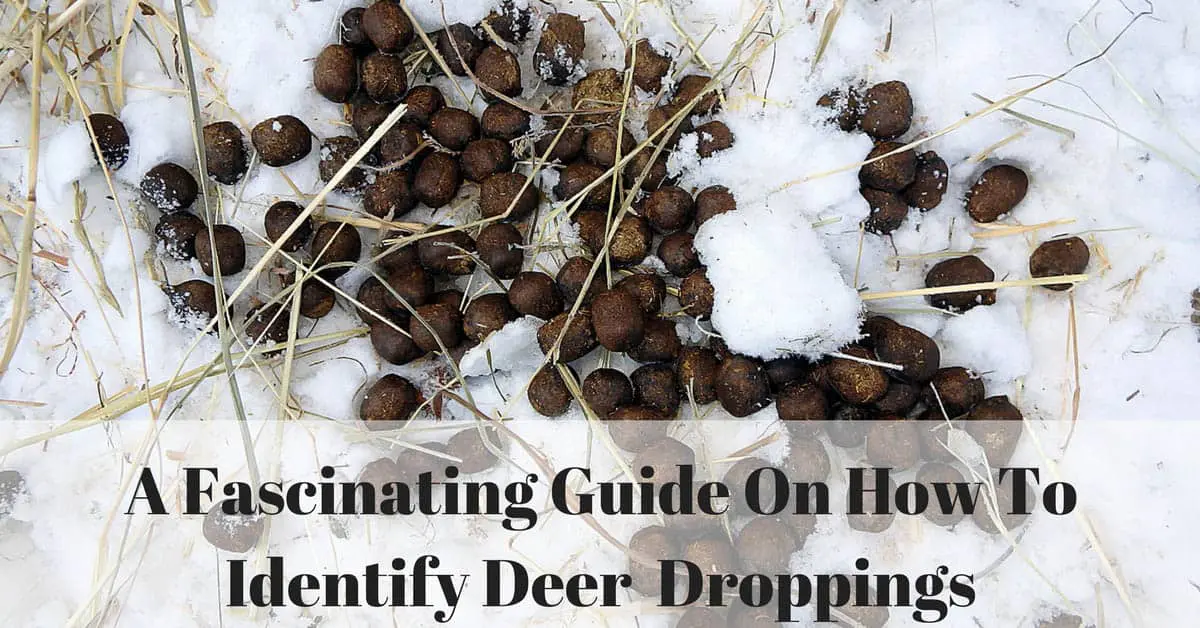
Deer poop normally resembles pellet, it can also be sometimes the same as goats and rabbits dropping. It is normally little and clustered together.

The color of deer droppings can be brown or black, depending on a deer eating regimen or its method for eating.

Most people are usually confused when it comes to rabbit and deer’s droppings however now, we can without much of a stretch know a rabbit’s poop from a deer’s own.

   ➜ RELATED:All That You Need To know, What Do Whitetail Deer Eat?

A rabbit’s droppings are normally round and have a harsh surface, unlike deer’s poop that has oval-molded pellets that possess an indentation toward one side and a point on another side. The structure of the poop makes it less demanding for a hunter to recognize a deer poop.

Why Do Deer Poop Pellets?

The main reason why deer and some other similar animals poop pellets have something to do with their digestive systems.

Inside these creatures, the colon attempts to form the defecation into pellets and after that push them out directly into the rectum, and then further packs every one of them into the same size and shape when moving out of the animal’s body.

A colon of deer makes the little pellets because of its colon working in a programmed rhythm, opening and shutting the sphincter.

It is this movement type that brings about the little, pellet shapes, versus creatures like humans and dogs where the sphincter remains open for a longer period and therefore brings about larger and longer droppings.

   ➜ RELATED:When Do Deer Move The Most – How To Know The Movement Pattern Of Whitetail Deer

Because of its consistent grazing and the means at which its digestive system functions—joined with the little size of the droppings—implies that a deer does its normal routine for about 13 times each day, producing about 93 pellets for each time.

Group of young deers looking for food.

Different types of deer poop

There are various types of deer poop that we will be discussing below:

1. Older pellets: Older pellets are darker, harder, and have a more intense smell.

2. Grains: These are basics of a deer eating regimen and they show up as entire or broken seeds.

3. Berries and fruits: These can be challenging to spot in poop. However, if a hunter is suspecting that a deer has been eating berries or fruits, they should look for seeds or other indigestible parts of the fruit.

4. Insects: Insects are not a common sight in deer droppings but can be found occasionally. If a hunter finds an insect in deer poop, it is most likely that the deer ate the insect by accident.

5. Hair: Hair is another common sight in deer droppings. If a hunter finds hair in deer poop, it is most likely that the deer has been licking itself or that the hair has been ingested while the deer was eating.

6. Grass: A deer’s poop usually has some grass in it, especially if the deer has been grazing.

7. Water: If a deer drinks water from a river or lake, it is likely that the deer will expel some of the water in its droppings.

8. Salt: Deer consume salt mainly from licking Mineral licks or licking tree sap. If a hunter finds salt in deer droppings, it is likely that the deer has been licking one of these things.

9. Mucus: A small amount of mucus can be found in deer droppings, especially if the deer has been sick.

10. Manure: Deer occasionally eat manure, which can be seen in their droppings as well.

Benefit of Deer Poop to Hunters

Deer poop can be very helpful to hunters in many ways. Below are some of the benefits:

1. Determining the sex of the deer: The size and shape of deer droppings can help hunters determine the sex of the deer. Male deer tend to have larger and more elongated droppings than female deer.

2. Determining the age of the deer: The age of a deer can also be determined by its droppings. Younger deer tend to have softer and darker droppings than older deer.

3. Determining the health of the deer: The health of a deer can be determined by its droppings as well. If a deer is healthy, its droppings will be firm and dark. If a deer is sick, its droppings will be soft and light-colored.

4. Determining the diet of the deer: The diet of a deer can be determined by its droppings as well. Deer that are eating grains will have grain in their droppings, deer that are eating berries will have seeds in their droppings, etc.

5. Determining the location of the deer: A hunter can sometimes determine where a deer is hiding by its droppings. If a deer is hiding in thick brush, for example, it is likely that there will be little or no vegetation in its droppings.

6. Determining the time of day that the deer was last seen: By examining the droppings, a hunter can sometimes determine the time of day that the deer was last seen. If there is fresh snow on the ground, for example, and the droppings are old and covered in snow, it is likely that the deer was seen sometime earlier in the day.

7. Estimating how long ago the deer passed by: A hunter can also estimate how long ago the deer passed by by examining its droppings. If there are fly larvae in the droppings, for example, it is likely that the deer passed by within 24 hours.

8. Determining if a deer has been injured: If a deer has been injured, it is likely that there will be blood in its droppings.

9. Determining if a deer has been shot: If a deer has been shot, it is likely that there will be lead in its droppings.

10. Determining the size of the deer: The size of a deer can be determined by its droppings. Larger deer tend to have larger droppings than smaller deer.

11. Determining the weight of the deer: The weight of a deer can also be determined by its droppings. Heavier deer tend to have larger droppings than lighter deer.

12. Determining if a deer is pregnant: If a deer is pregnant, it is likely that there will be milk in its droppings.

13. Determining if a deer has parasites: If a deer has parasites, it is likely that there will be eggs in its droppings.

14. Determining the time of year: The time of year can be determined by the type of vegetation in the droppings. If the droppings contain acorns, for example, it is likely that it is fall.

15. Determining if a deer has been baited: If a deer has been baited, it is likely that there will be bait in its droppings.

16. Determining the location of a deer blind: A hunter can sometimes determine the location of a deer blind by examining the droppings around it. If there are large piles of droppings near the blind, for example, it is likely that the deer is using the blind as a hiding spot.

17. Determining if a deer has been hunted: If a deer has been hunted, it is likely that there will be evidence of this in its droppings. If the droppings are scattered, for example, it is likely that the deer was shot at but not hit.

18. Storing information for future hunts: Deer droppings can be stored and examined long after the hunt is over in order to gain more information about the deer. This information can be used to improve future hunts.

There are many things that can be learned from deer droppings, and these are just a few examples. By studying the droppings, a hunter can gain valuable information about the deer he is hunting, which can help him to be more successful in his hunt.

What Does Deer Poop Look Like

The Size of Deer Poop

Deer poop is usually small and compacted. However, the size of deer poop can vary depending on the size of the deer and its diet. If a deer has been eating a lot of plants, its droppings will be smaller and more compacted than if it has been eating a lot of meat.

The shape of Deer Poop

As mentioned before, deer poop is usually oval-shaped with an indentation on one side and a point on the other. The shape of deer poop can also vary depending on the deer’s diet. If a deer has been eating a lot of plants, its droppings will be more round and less compacted than if it has been eating a lot of meat.

The color of Deer Poop

Deer poop can be brown or black, depending on the deer’s diet. If a deer is eating a lot of fruits or berries, its droppings will be black. If a deer is eating mostly grass or other plant material, its droppings will be light brown.

The Fresh ness of Deer Poop

If a deer has just passed by, its droppings will be fresh and moist. If a deer has been gone for awhile, its droppings will be dry and may crumble when touched.

The Contents of Deer Poop

Deer poop can tell a hunter a lot about the deer he is hunting. By examining the droppings, he can determine the size of the deer, the weight of the deer, if the deer is pregnant, if it has parasites, what time of year it is, and what it has been eating. He can also use this information to help him with future hunts.

How to properly dispose of Deer Poop

Deer poop should be disposed of properly in order to prevent the spread of disease. When cleaning up deer poop, it is important to wear gloves and a mask to avoid contact with the feces. The best way to dispose of deer poop is to bury it in a deep hole. This will help to prevent other animals from coming into contact with it and spreading the disease.

It is important to note that deer poop can contain parasites that can infect humans. If you come into contact with deer poop, it is important to wash your hands thoroughly with soap and water. If you have any cuts or open wounds on your body, it is important to avoid contact with deer poop as this can lead to infection.

When cleaning up deer blinds, it is also important to wear gloves and a mask. The best way to dispose of the deer blind is to burn it. This will help to prevent the spread of disease.

If you are disposing of deer carcasses, it is important to wear gloves and a mask. The best way to dispose of a deer carcass is to bury it in a deep hole. This will help to prevent other animals from coming into contact with it and spreading the disease.

What Does Deer Poop Tell You?

Now that you know what deer poop looks like, you might be wondering what it can tell you. Deer poop can tell you a lot about the deer’s diet and health. It can also tell you where the deer has been and whether it has been feeding or not.

1. The size, shape, and color of deer poop can tell you what the deer has been eating.

2. The presence of grass, hair, or other material in deer poop can tell you where the deer has been and whether it has been licking itself or eating something else.

3. The presence of water, salt, or manure in deer poop can tell you if the deer has been drinking from a river or lake, licking a mineral lick, or eating manure.

4. The presence of mucus in deer poop can tell you if the deer is sick.

5. The age of the pellets can tell you how long ago the deer defecated.

Now that you know what deer poop looks like and what it can tell you, you should be able to identify it when you see it. If you find deer poop while out hunting or hiking, take a close look at it and see if you can figure out what the deer has been eating and where it has been. You might be able to learn a lot about the deer just by looking at its droppings!

What the deer poop means for the environment

When deer poop decomposes, it releases nutrients into the soil. This helps to fertilize the soil and make it richer in nutrients. Deer poop also helps to improve the soil’s texture and water retention capacity. By depositing its droppings on the ground, the deer is helping to improve the health of the environment and make it a better place for plants to grow.

What the deer poop means for hunters

For hunters, deer poop can be a valuable source of information. By examining the droppings, they can determine the size and weight of the deer, the time of year it was hunted, and what it has been eating. This information can help them to plan future hunts and improve their chances of success.

When cleaning up deer blinds or carcasses, it is important to take precautions to prevent the spread of disease. Burning the blinds or carcasses will help to kill any parasites that may be present. burying the waste will also help to keep it from spreading.

Deer poop is an important part of the ecosystem and plays an important role in plant growth. It is also a valuable source of information for hunters. When cleaning up deer blinds or disposing of carcasses, it is important to take precautions to prevent the spread of disease.

Caution

deer-poop

Animals which are possible prey has a propensity for moving themselves into a thing that can conceal their natural fragrance, therefore, predators won’t have the capacity to smell and notice them. Some hunters discover this idea to be helpful.

They cover themselves with poop in order for deer not to notice them and realize that they are close-by. For this situation, the predator is the one escaping from the prey. This may be a helpful strategy yet as an update, continue with cautions.

Likewise, finding the poop of deer in your yards or close to your yard can prompt a real peril. If you happen to come across one close to your home, ensure that you keep an eye around.

Conclusion

Deer droppings can likewise be a truly great manure for products. Deer some of the time convey harmful strains of E. coli that are transferable to individuals who consume any food that came in touch with the contaminated excrement.

Still, if you by any means end up with a lot of poop on hand, composting it appropriately can eliminate the disease. It needs to be made out of at least 40 days.

There isn’t anything that can assist you in catching one or two deer if it is not intended to be. This is only a recommendation on the most proficient method to get some idea to expand and to aid your hunting. For further inquiries or suggestions about What Does Deer Poop Look Like? , you can leave us a comment below.

FAQ s

How much poop does a deer produce in a day?

A deer can produce up to 93 pellets per day.

What do deer use their poop for?

Deer use their poop for a variety of purposes, including as a fertilizer, as a way to mark their territory, and as a source of information for hunters.

How can you tell the difference between rabbit and deer poop?

Rabbit poop is usually smaller and rounder than deer poop. Deer poop also often contains seeds, which rabbit poop does not.

What does deer poop look like in the spring?

In the spring, deer poop often contains new growth from trees and plants. It also may smell more strongly than other times of the year.

More Hunting Gear & Resources

  • The Best AR 15 Bipod Reviews Today That Will Improve your Hunting Skills

  • Shoot Straight! The 5 Best Rifle Bipods Reviews

  • Best Shooting Stick: Top Shooting Sticks That You Can Get In The Market Now (#2 Should Really Please You!)

  • Best Shooting Rest Reviews For A Perfect Hunting – Best Shooting Rests Reviews

  • Best Bipod for Long Range Shooting – 100% Accurate Buying Guide

  • Best Shooting Tripods Reviews – Make the Perfect Shot with One of These Top Tripods

  • Best Muck Boots For Hunting – The Perfect Pair of Muck Boots Makes For The Best Hunting

  • What are the Best Rubber Hunting Boots – The Hunter’s Guide (Updated)

  • Best Shot Timer: Things to Know About the Top 10 Great Shot Timers

  • 13 Best Hunting Spotlights: Essential Gear Review for Hunters

Filed Under: Deer Hunting 02:03 by Kevin Steffey

When Do Bowsights Work Best? A Quick Primer

When Do Bowsights Work Best? A Quick Primer

When it comes down to it, there’re only a couple of ways to aim a bow. While you might be tempted to go with just instinctive aiming since it seems simpler, a bowsight can save you a lot of trouble in the right situation.

So when do bowsights work best? All the time, but you’ll need to follow some simple steps to get the most out of them.

Why A Sight?

when do bowsights work the best

Sights are especially important for hunting, while instinctive shooting may be seen as more natural there’re other factors at play when you’re hunting. If you’re not a dead-shot, you risk only wounding an animal or missing completely, especially if you haven’t had years of practice.

Related: Ultimate Buyer’S Guide For The Best Bow Sights

They can be especially useful for stand hunters who know the distances from their stands, allowing you to make a nearly perfect shot every time. This works out for both you and the animal’s best interest.

When Do Bowsights Work Best? Adjusting the Sight

You’ll want to set aside some time to pick out a sight and adjust it to make sure that you’re able to use it properly. A couple of quick and easy tips will help you to make sure that you’re on the right track.

The first is to not just adjust the sight after each arrow fired. Fire a volley of three or four and try to find the center of where they’ve landed before you make your adjustments. Unless you’re actually off the target at your chosen distance you’ll be better off figuring out the average before you shoot.

Picking the Right Sight

bowsights three pins

For hunting, you’ll want to use a two-part sight system. A “peep-hole” sight on your string can help you align properly with the sight on the front of your bow. Take your lesson from rifle iron sights, it’s much better to have two components to align when you’re shooting.One of the primary factors you’ll need to take into consideration when you’re picking out your sight is how durable it is. While you can get a great target sight for quite cheap, these models are usually made of plastic and they might not stand up to extended periods of outdoor use. Save yourself a headache and go with something metal right from the start.

bowsight five pins

For most hunting purposes, a three pin sight is sufficient since you shouldn’t be shooting at over thirty yards or so. This has less to do with your aim and more to do with the fact that an arrow is a large, fairly slow moving projectile and can be easily affected by the wind and other factors.

Related: Top 5 Best Arrow Rest For An Amazing Hunting Adventure

Lastly, take a look at the fiber optic system of the sight itself. The best will be made with several inches of fiber optics to trap the light and contain a casing which will protect the fragile glass wire from breaking. This can be crucial, especially when you’re shooting at dawn or dusk as it will allow you to more easily align the sights.

Knowing the Distance

bowsight Distance

There’s one main limitation when it comes to using a sight, and it can be defeated with a little bit of know-how and experience.

If you’re just getting used to using one, you’ll have to be able to quickly calculate differences in range in order to ensure you make a clean shot. From a stand or blind this is a relatively simple method, just measure things out and you’ll be able to know since you’re unlikely to move more than a yard or two during the hunt.

Related:  How To Build A Deer Blind-  Anyone Can Do it! How to Build a Box Blind

It can be a bit dicier when you’re hunting from the forest floor, and the only real way to make sure here is to get to learn the distances. This means a lot of practice at the range, which you should be doing anyways, but you should be able to catch on much more quickly than you would without using a sight.

They can also be a bit problematic for shooting moving targets due to the obstruction of sight and rapidly changing distances. If you’re actively stalking it’s worth investing a few thousand hours into making sure your instinctive shooting is up to par, rather than using a sight.

Conclusion

A sight is one of the best ways for the amateur archer to get involved in the world of bowhunting since they can allow for even a novice to get a perfect, repeatable shot fairly quickly.

There are some limitations, but the majority of bowhunters use stands and blinds anyways, in which case the question isn’t when do bowsights work best, but instead what sight you should be adding to your bow.

We hope that you’ve enjoyed this answer, if you have your own opinions on this matter or just want to ask some more questions, leave us a comment below!

More Hunting Gear & Resources

  • The Best AR 15 Bipod Reviews Today That Will Improve your Hunting Skills
  • Shoot Straight! The 5 Best Rifle Bipods Reviews
  • Best Shooting Stick: Top Shooting Sticks That You Can Get In The Market Now (#2 Should Really Please You!)
  • Best Shooting Rest Reviews For A Perfect Hunting – Best Shooting Rests Reviews
  • Best Bipod for Long Range Shooting – 100% Accurate Buying Guide
  • Best Shooting Tripods Reviews – Make the Perfect Shot with One of These Top Tripods
  • Best Muck Boots For Hunting – The Perfect Pair of Muck Boots Makes For The Best Hunting
  • What are the Best Rubber Hunting Boots – The Hunter’s Guide (Updated)
  • Best Shot Timer: Things to Know About the Top 10 Great Shot Timers
  • 13 Best Hunting Spotlights: Essential Gear Review for Hunters

Filed Under: Uncategorized 10:11 by Kevin Steffey

5 of the Absolute Best Coyote Baits

5 of the Absolute Best Coyote Baits

One of the most common ways to attract coyote for hunting is using bait. Since they’re opportunistic scavengers and predators, this means that finding the optimal bait can be somewhat difficult.

Read on and we’ll discuss the viability of different things which can be used to make sure you get the best coyote bait possible.

5 Best Coyote Baits

1.) Fresh Guts

 Fresh-Guts

If you happen to be out and about hunting other small game animals during the day, it’s likely that you’ve made a couple of kills. Whether it’s ground squirrel, rabbit, or even larger animals, a fresh pile of guts makes for prime bait. After you field clean your kill, throw the guts in a bag and place them somewhere that you’ll have a clear line of fire.

After positioning yourself upwind, sooner or later one or more of those wily coyote will emerge to come out and get their paws on some offal. This will give you a great time to take the shot and it might be one of the absolute best baits you can get your hands on.

There are a couple of drawbacks to this method, however, which is mainly the fact that you’ll have to haul around enough guts to make sure the coyote don’t just take them and run off before you can take the shot. You’ll also have to have made a couple of kills or taken a larger animal earlier in the day.

FURTHER READING

➜ The Important Things To Know In Understanding Why Coyotes Howl

➜ How To Bait Coyotes For A Successful Hunt

➜ Learn About When Coyotes Are Most Active And More!

2.) “Baitsciles”

While not quite as attractive of a method, many coyote hunters have had a lot of success with this method. Essentially what you’ll want to do is fill a bucket or mold with entrails and maybe even scraps of meat from previous kills and then freeze the whole thing.

Hunters recommendations vary widely on this, with some recommending using softball sized pieces for a single day of hunting, and some have used larger buckets in order to ensure they can return time and time again.

A larger bucket in a colder portion of the States can even be used for an extended period. If you have a busy lifestyle, a cold climate, and an area you like to hunt coyote in then this method can keep them coming for weeks to months. Some people have claimed they even last all season.

The drawback is, of course, having to gather all of the offal and off-cuts together which can take some time. This method also isn’t nearly as viable during warm weather as it is during the winter.

Related: What Do Deer Eat In The Winter?

3.) Dog Food

Dog Food

It’s pretty obvious when you think about it, coyote love dog food. It makes for a great and cheap bait when you don’t have access to guts or carcasses.

Using dog food as bait has some tricks to it. One of the main ones you’ll want to attempt is to bury a good amount of it in a location, placing it perhaps half an inch under the soil, and spreading out kernels of it in a wide area around the central bait pile.

The coyote will eventually find that there is dog food in the area and begin seeking it by scent, giving you a perfect opportunity for a shot while they home in on the larger pile of dog food that you have buried in the center of the area.

This works best in semi-rural areas, and it’s a favored trick of those who take care of coyote which might have already been exposed to dog food during forays into the outskirts of town. It also has the advantage of not attracting as many other scavengers as many types of bait.

There’s little risk of a vulture flying off with your bait, for instance, if you use dog food as your bait.

4.) Road Kill

Dead Deer Hit By A Car Lying By The Road, Wyoming, Usa.

There’s no need to let any animal go to waste, and in many areas of the country it can be quite easy to find road kill. Whether it’s a possum or a house cat, these carcasses will often prove themselves to be quite good bait as long as you stay upwind.

Some hunters recommend dipping the road kill in blood as well in order to make them even more attractive to the coyote you’re seeking. In doing this you’re virtually guaranteed to attract at least some sort of scavenger, and if you’ve scouted the area and timed your baiting properly it’s likely you’ll be able to harvest a coyote over the corpse.

The absolute holy grail of using this method is being able to find a road kill deer. Since it won’t be able to be hauled away by a single coyote you stand a much better chance of getting your shot in while it’s gnawing away at the carcass.

Of course, you’ll want to be sure to check the legality of using roadkill in your area and responsibly dispose of any remains after your hunting session is over.

5.) Fish

coyote love Fish

Fish also make a viable bait source, which is great for those of us who love to spend time angling as well as hunting. They can be used in many of the same ways as the above methods: just save the heads and guts in the freezer and make a pile.

One of the main ways they’re used as bait by experienced coyote trappers and hunters, however, is by salting them. When salted, the fish can be kept almost indefinitely without making your house reek or taking up room in your freezer that could probably be better used by stocking with more edible game.

It’s not a bait of last resort, it’s actually quite effective, but it is a bit specialized when it comes to making sure you have some on hand.

Related:“When Is The Best Time To Hunt Coyotes?” Searching For The Perfect Shot

6. Chicken liver

This is one of the most popular baits for coyote, and it’s not hard to see why. It’s a strong scent that will often bring them in from long distances, and they love to eat it.The main downside of using chicken liver as bait is that it can be expensive if you go through alot of it, and it doesn’t store well. You can’t just keep a bunch in your freezer like you can with some of the other types of baits on this list.You’ll have to either use it fresh or find a way to preserve it, which means figuring out how to keep it from going bad too quickly or learning how to salt it properly so that it lasts a bit longer.

8.) Coyote urine

If you want to guarantee that a coyote is going to show up, using coyote urine as bait is about as close as you can get. You can purchase it online or at many sporting goods stores, and all you have to do is let it drip onto the ground near where you’ll be waiting with your gun.The downside to using this method is that it can be quite expensive if you go through alot of it, and it also doesn’t store well. Once opened, a bottle of coyote urine will only last for a few months before it starts to lose its potency.You’ll also want to be sure that you don’t use too much, as the coyote will be able to smell it from quite a distance and if there’s too much they may just avoid the area altogether. A little goes a long way with this method.

9.) Fruits and vegetables

You might not think of fruits and vegetables as being good bait for coyote, but in reality they can be quite effective. This is especially true if you happen to live near an area where farmers are growing crops. Apples, watermelons, and other fruits make excellent bait, as do corn and other vegetables. The key is to find a way to keep them from going bad too quickly. One method is to soak them in salt water overnight, which will help to preserve them.You can also add some sugar to the mix, which will make the bait even more irresistible to coyotes. Just be sure not to use too much or you’ll end up attracting bears and other large animals that you don’t want to deal with.

10.) Bacon

Bacon is another bait that can be quite effective, but it shares many of the same drawbacks as chicken liver. It’s a strong scent that will often bring coyotes in from long distances, but it doesn’t store well and can be quite expensive if you go through alot of it.You can keep bacon fresh for a few days by wrapping it in plastic and stored in a cool, dry place, but after that it will start to go bad. You can also salt it or smoke it to help preserve it, but this will change the taste and smell somewhat.

11.) Coyote food

 One of the best baits you can use is something that the coyote would normally eat. This could be anything from a small animal to a piece of meat that you’ve been able to trap.The key is to make sure the bait is fresh, and that you’re using something that the coyote is likely to be attracted to. You can also use a scent attractant to help bring them in, but this isn’t always necessary.

12.) Sausage 

Sausage is another type of meat that can be quite effective as bait for coyote, but it has the same drawbacks as bacon. It’s a strong scent that will often bring them in from long distances, but it doesn’t store well and can be quite expensive if you go through alot of it.You can keep sausage fresh for a few days by wrapping it in plastic and stored in a cool, dry place, but after that it will start to go bad. You can also salt it or smoke it to help preserve it, but this will change the taste and smell somewhat.

13.Kitten food

 Kitten food can be an effective bait for coyote. The key is to use something that is fresh and that the coyote is likely to be attracted to. You can also use a scent attractant to help bring them in, but this isn’t always necessary.

14.Cheese

 Cheese is a common bait that can be used to catch many different types of animals, and it also works well for coyote. The key is to use something that is fresh and that the coyote is likely to be attracted to. You can also use a scent attractant to help bring them in, but this isn’t always necessary.

Conclusion

Finding the best coyote bait really isn’t that hard. In fact, the placement and way you bait is generally much more important than what exactly you plan on using to bait them with. You definitely can’t go wrong with any of these, however. So get out there and hunt some predators.

Did we leave out your favorite bait? Have any questions? Drop us a line below!

FAQ about Best Coyote Bait

1. What is the fastest way to attract coyotes?

Coyotes are opportunistic scavengers who are attracted to anything that smells fresh so it is important to maintain a clean campsite. This includes keeping food stored in bags, making sure your garbage is stored properly during the daytime, using scent soaps when showering, and wearing clothes inside out until they have been washed.

If you want coyotes hunting at night then find an area with fresh prey calls or even better put up some of your own. Like many animals coyotes will take any chance they get at finding food especially if they’re hunted down for humans interests. Coyotes also love carrion – meat left on bones – because it doesn’t go bad like other sources of meat do which make them more appealing to humans as well.

2. Can you bait coyotes with dog food?

Sure. Coyotes prefer dogs as their prey, but since they are opportunistic eaters it is not uncommon for coyotes to dine on dogs simply because a dog’s food was left out unattended or a dog came running.

Pelletized dry dog food can be one of your best bets for attracting the coyote to a set location – just scatter handfuls around an area where you want the animal to come closer. The key is being patient and making sure that at least half-an-hour goes by before checking back if there has been no sign of activity from your bait so as not improve the chance of success at all costs.

In conclusion, whether bate is acquired from hunting or from purchasing wet food commercially

3. How do you lure coyotes during the day?

We recommend the following steps to use as a guide for hunting coyotes during the day:

1. Find out where they’re feeding and eliminate those sources of food if possible (e.g., don’t let your chicken coop or wild turkey flock roost in their backyard).

2. Lure them with decoys, bleating deer calls, and whistles.

3. Make an ambush by setting up a number of homespun “chuck” decoys around a funnel entrance covered by brushy cover (e.g., bushes and saplings).

4. Ensure you stay downwind and make sure your scent doesn’t carry over to where you’ll be waiting silently – there’s nothing worse than

4. Is there anything that can’t be used as bait for coyote?

There are a few things you should avoid using as bait when hunting coyote. These items

include:

1. Chemical attractants such as sardines, bacon, and cheese

2. Pets or livestock

3. Human food items such as candy bars, soft drinks, and processed meats

4. Decoys that resemble humans (e.g., mannequins) or other predators (e.g., bobcats)

5. Anything that is spoiled or rotten

5. What is the best time of day to bait coyotes?

The best time of day to bait coyotes is early in the morning or late in the evening when they are most active. You will also want to avoid baiting during the heat of the day as this will only attract flies and other pests. It is important to note that you should never try to bait coyotes during the mating season as this can lead to aggression from the male coyote.

6. What type of bait should I use?

When it comes to coyote bait, there are a number of different things you can use. Some of the most popular items include:

1. Pelletized dry dog food

2. Fresh meat (e.g., rabbits, deer, and raccoons)

3. Sausages

4. Canned dog or cat food

5. Old bread or crackers

6. Sweet treats such as candy bars or soft drinks

7. Decoys (e.g., stuffed animals or mannequins)

8. Coyote urine

9. Chemical attractants (e.g., sardines, cheese, and bacon)

10. anything that smells bad to you, will probably smell good to a coyote!

7. How do I set up the bait?

When setting up your bait, there are a few things you should keep in mind. First, you will want to choose an area that is away from human activity as coyotes are shy creatures and will avoid areas where there is a lot of noise and commotion. Second, you should try to find an area that is sheltered from the wind as this will help to mask yourscent. Finally, you should make sure that the bait is easy to get to so that the coyote will not have to work too hard to get to it.

[tcb-script type=”application/ld+json”]{ “@context”: “https://schema.org”, “@type”: “FAQPage”, “mainEntity”: [{ “@type”: “Question”, “name”: “What is the fastest way to attract coyotes?”, “acceptedAnswer”: { “@type”: “Answer”, “text”: “Coyotes are opportunistic scavengers who are attracted to anything that smells fresh so it is important to maintain a clean campsite. This includes keeping food stored in bags, making sure your garbage is stored properly during the daytime, using scent soaps when showering, and wearing clothes inside out until they have been washed.If you want coyotes hunting at night then find an area with fresh prey calls or even better put up some of your own. Like many animals coyotes will take any chance they get at finding food especially if they’re hunted down for humans interests. Coyotes also love carrion – meat left on bones – because it doesn’t go bad like other sources of meat do which make them more appealing to humans as well.” } },{ “@type”: “Question”, “name”: “Can you bait coyotes with dog food?”, “acceptedAnswer”: { “@type”: “Answer”, “text”: “Sure. Coyotes prefer dogs as their prey, but since they are opportunistic eaters it is not uncommon for coyotes to dine on dogs simply because a dog’s food was left out unattended or a dog came running.Pelletized dry dog food can be one of your best bets for attracting the coyote to a set location – just scatter handfuls around an area where you want the animal to come closer. The key is being patient and making sure that at least half-an-hour goes by before checking back if there has been no sign of activity from your bait so as not improve the chance of success at all costs.In conclusion, whether bate is acquired from hunting or from purchasing wet food commercially” } },{ “@type”: “Question”, “name”: “How do you lure coyotes during the day?”, “acceptedAnswer”: { “@type”: “Answer”, “text”: “We recommend the following steps to use as a guide for hunting coyotes during the day:1. Find out where they’re feeding and eliminate those sources of food if possible (e.g., don’t let your chicken coop or wild turkey flock roost in their backyard).2. Lure them with decoys, bleating deer calls, and whistles.3. Make an ambush by setting up a number of homespun “chuck” decoys around a funnel entrance covered by brushy cover (e.g., bushes and saplings).4. Ensure you stay downwind and make sure your scent doesn’t carry over to where you’ll be waiting silently – there’s nothing worse than” } },{ “@type”: “Question”, “name”: “Is there anything that can’t be used as bait for coyote?”, “acceptedAnswer”: { “@type”: “Answer”, “text”: “There are a few things you should avoid using as bait when hunting coyote. These itemsinclude:1. Chemical attractants such as sardines, bacon, and cheese2. Pets or livestock3. Human food items such as candy bars, soft drinks, and processed meats4. Decoys that resemble humans (e.g., mannequins) or other predators (e.g., bobcats)5. Anything that is spoiled or rotten” } },{ “@type”: “Question”, “name”: “What is the best time of day to bait coyotes”, “acceptedAnswer”: { “@type”: “Answer”, “text”: “The best time of day to bait coyotes is early in the morning or late in the evening when they are most active. You will also want to avoid baiting during the heat of the day as this will only attract flies and other pests. It is important to note that you should never try to bait coyotes during the mating season as this can lead to aggression from the male coyote.” } }]}[/tcb-script]

More Hunting Gear & Resources

  • The Best AR 15 Bipod Reviews Today That Will Improve your Hunting Skills

  • Shoot Straight! The 5 Best Rifle Bipods Reviews

  • Best Shooting Stick: Top Shooting Sticks That You Can Get In The Market Now (#2 Should Really Please You!)

  • Best Shooting Rest Reviews For A Perfect Hunting – Best Shooting Rests Reviews

  • Best Bipod for Long Range Shooting – 100% Accurate Buying Guide

  • Best Shooting Tripods Reviews – Make the Perfect Shot with One of These Top Tripods

  • Best Muck Boots For Hunting – The Perfect Pair of Muck Boots Makes For The Best Hunting

  • What are the Best Rubber Hunting Boots – The Hunter’s Guide (Updated)

  • Best Shot Timer: Things to Know About the Top 10 Great Shot Timers

  • 13 Best Hunting Spotlights: Essential Gear Review for Hunters
[tcb-script type=”application/ld+json”]{ “@context”: “https://schema.org”, “@type”: “FAQPage”, “mainEntity”: [{ “@type”: “Question”, “name”: “1. What is the fastest way to attract coyotes?”, “acceptedAnswer”: { “@type”: “Answer”, “text”: “Coyotes are opportunistic scavengers who are attracted to anything that smells fresh so it is important to maintain a clean campsite. This includes keeping food stored in bags, making sure your garbage is stored properly during the daytime, using scent soaps when showering, and wearing clothes inside out until they have been washed.If you want coyotes hunting at night then find an area with fresh prey calls or even better put up some of your own. Like many animals coyotes will take any chance they get at finding food especially if they’re hunted down for humans interests. Coyotes also love carrion – meat left on bones – because it doesn’t go bad like other sources of meat do which make them more appealing to humans as well.” } },{ “@type”: “Question”, “name”: “2. Can you bait coyotes with dog food?”, “acceptedAnswer”: { “@type”: “Answer”, “text”: “Sure. Coyotes prefer dogs as their prey, but since they are opportunistic eaters it is not uncommon for coyotes to dine on dogs simply because a dog’s food was left out unattended or a dog came running.Pelletized dry dog food can be one of your best bets for attracting the coyote to a set location – just scatter handfuls around an area where you want the animal to come closer. The key is being patient and making sure that at least half-an-hour goes by before checking back if there has been no sign of activity from your bait so as not improve the chance of success at all costs.In conclusion, whether bate is acquired from hunting or from purchasing wet food commercially” } },{ “@type”: “Question”, “name”: “3. How do you lure coyotes during the day?”, “acceptedAnswer”: { “@type”: “Answer”, “text”: “We recommend the following steps to use as a guide for hunting coyotes during the day:1. Find out where they’re feeding and eliminate those sources of food if possible (e.g., don’t let your chicken coop or wild turkey flock roost in their backyard).2. Lure them with decoys, bleating deer calls, and whistles.3. Make an ambush by setting up a number of homespun “chuck” decoys around a funnel entrance covered by brushy cover (e.g., bushes and saplings).4. Ensure you stay downwind and make sure your scent doesn’t carry over to where you’ll be waiting silently – there’s nothing worse than” } }]}[/tcb-script]

Filed Under: Coyote Hunting, Hunting 20:26 by Kevin Steffey

  • « Previous Page
  • 1
  • …
  • 11
  • 12
  • 13
  • 14
  • 15
  • …
  • 48
  • Next Page »
  • Best Shooting Rest Reviews For A Perfect Hunting – Best Shooting Rests Reviews
  • Hunting Safety: 5 Best Treestand Safety Harnesses Reviewed
  • How Fast Can A Deer Run – How Hard Would It Be To Catch A Frightened Deer On The Run
  • Rice Bran for Deer- How to Effectively Use Rice Bran to Attract a Deer?
  • The Best Reloading Scale for Consistent Accuracy
  • Which Shotgun Choke Is The Most Open?
  • 17hmr vs 22lr: Which one Should You Use?
  • 5 Top Coyote Hunting Dogs That Are Proven To Be Tremendous Hunters
  • Best Shot Timer: Things to Know About the Top 10 Great Shot Timers
  • Elk Hunting 101: 5 of the Best Elk Hunting Boots

DMCA.com Protection Status

Deerhuntingfield.com is a participant in the Amazon.com Services LLC Associates Program, an affiliate advertising program designed to provide a means for sites to earn advertising fees by advertising and linking to Amazon.com. Additionally, deerhuntingfield.com participates in various other affiliate programs, and we sometimes get a commission through purchases made through our links.